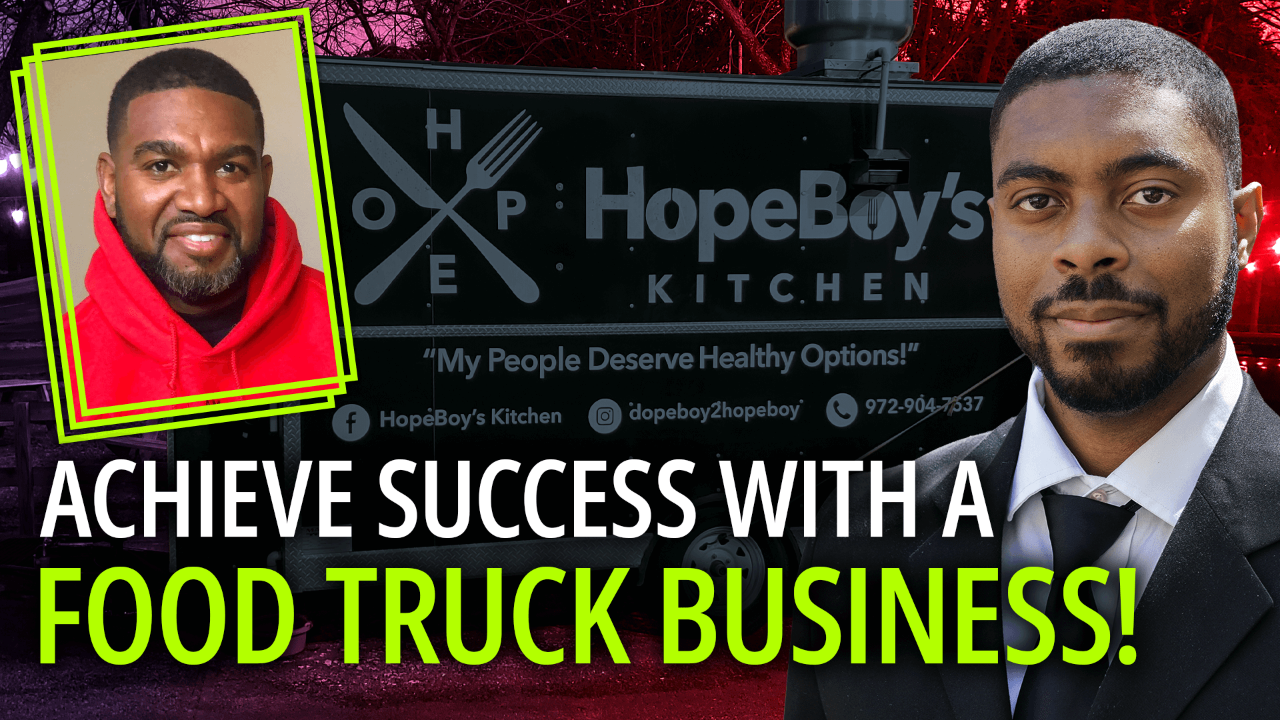
SHS055: From Dump Truck To Thriving Food Truck Business With Chef Rico From Hopeboy's Kitchen!
Intro
What if your next business…
👉 Didn’t come from a plan…
👉 But from people constantly telling you, “You should sell this”?
In this episode, Elijah Bilel sits down with Chef Rico, the owner of Hopeboy’s Kitchen—a viral vegan food truck that’s been making serious noise in the Dallas-Fort Worth area.
This conversation blends:
Business and entrepreneurship
Health and lifestyle transformation
Real side hustle growth strategies
And it all started… in a parking lot.
👉 If you’ve already heard about the food or want to see how it landed with The Veggie Outers, check out The Veggie Outers review of Hopeboy’s Kitchen here
Intro to Chef Rico
Chef Rico is the owner of Hopeboy’s Kitchen, a highly successful vegan food truck based in Dallas.
His journey includes:
Former dump truck business owner
Self-taught vegan chef
Started cooking from home during the pandemic
Built a loyal customer base from scratch
Hopeboy’s Kitchen has:
Won multiple awards in the DFW area
Become one of the most popular vegan food spots locally
Grown through pure word-of-mouth and consistency
👉 Follow Hopeboy’s Kitchen on Facebook here
👉 Follow Hopeboy’s Kitchen on Instagram here
Episode Overview
In this episode, we break down:
How Chef Rico built his food business from zero
The real numbers behind a food truck
Why passion matters more than just making money
How health transformation changed his entire life
The mindset required to grow a side hustle into a full-time business
Listen to the Episode
Check us out on Apple Podcasts or Spotify! While you’re there, hit subscribe so you don’t miss our latest episodes!
Side Hustler’s Society Resources
The Personalized Side Hustle Starter Kit
From $700 Weeks to $7K–$10K Weeks
The Growth Journey
Chef Rico shares:
Started at around $700 per week
Grew to $7,000 to $10,000 per week
What Changed?
Consistency
Customer experience
Word-of-mouth growth
Product quality
Key Takeaway
👉 Most people quit before momentum kicks in
The Parking Lot Hustle That Built the Brand
The Setup
Cooking from home
Taking pre-orders
Meeting customers in a Target parking lot
How Long He Did This
👉 About 18 months
What Happened
Traffic kept growing
New customers every week
Eventually forced to scale
Turning Point
👉 Got kicked out of the parking lot
What He Did Next
Bought a food truck
Got permits
Took the business legit
Key Insight
👉 Sometimes getting pushed out of one stage forces your next level
Why Passion Beat Profit
He Could Have Stayed Comfortable
Dump truck business was profitable
Stable income
But…
👉 He didn’t love it
What Changed
Fell in love with cooking
Found purpose in helping people
Built something meaningful
Key Takeaway
👉 Money alone will not sustain you
👉 Passion and purpose will
The Health Transformation That Changed Everything
Chef Rico’s Reality
He was diagnosed with:
Type 2 diabetes
High blood pressure
High cholesterol
What He Did
👉 Changed his diet immediately
The Result
👉 Reversed all conditions in 7 weeks
Why This Matters
This was bigger than business
👉 It became a mission
His Purpose
👉 “My people deserve healthy options.”
👉 If you want a closer look at the food that helped build that reputation, you can check out The Veggie Outers review of Hopeboy’s Kitchen here
The Meaning Behind “Hopeboy’s Kitchen”
Chef Rico’s Background
Formerly involved in street life
Incarcerated for several years
Struggled after release
Turning Point
Found faith
Left that lifestyle behind
Rebuilt his life from scratch
What “Hopeboy” Represents
👉 Transformation
👉 Redemption
👉 A second chance
Key Insight
👉 Your past does not have to define your future
Entrepreneurship Means Flexibility
Ice Storm in DFW
Had to shut down temporarily
Adjusted schedule
Opened on a different day to compensate
Lesson
👉 Entrepreneurs control their time more than most people realize
Key Takeaway
👉 Flexibility is one of the biggest benefits of being self-employed
The Power of Community Support
Growth Came From People
New customers every week
Strong local support
Word-of-mouth marketing
Key Insight
👉 Community can build your business faster than ads
The Bigger Lesson From This Episode
You Don’t Need Everything Figured Out
Started from home
No formal chef background
No perfect plan
What You Do Need
Consistency
Passion
Willingness to evolve
Because at the end of the day
👉 Businesses are not built overnight
👉 They are built week by week
Final Thoughts
This episode is a reminder that:
👉 Your side hustle can start anywhere
A kitchen
A parking lot
Or even your current situation
But if you stay consistent…
👉 It can turn into something much bigger
Watch The Podcast On Youtube!
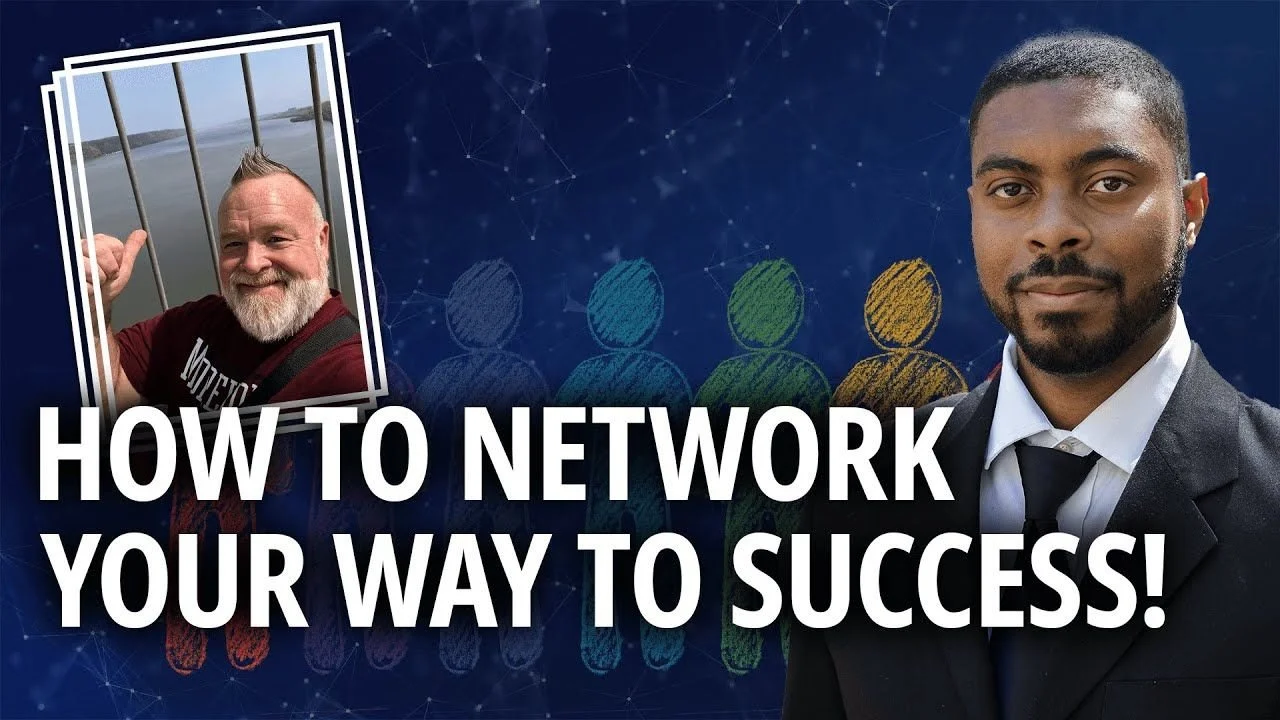
SHS054: From Driving A Dirt Truck To Having 1.3 Million Followers With White George!
Intro
What if the biggest skill holding you back…
👉 Isn’t money, resources, or opportunity…
👉 But your ability to connect with people?
In this episode, Elijah Bilel sits down with George Sedbury—also known online as White George—to break down what it really takes to master networking.
This conversation goes deeper than surface-level advice…
👉 It shows how networking can literally change your life trajectory
Intro to White George
George Sedbury, also known as White George, is a speaker, content creator, and entrepreneur who has built a powerful personal brand through:
Speaking at HBCUs
Traveling across the country
Walking over 2,800 miles across America
Building a massive following on social media
His story is unique:
👉 From being an ex-con…
👉 To building influence, connections, and opportunities through networking
👉 Follow White George on TikTok here
Subscribe To Elijah's New Youtube Channel, Social Dynamics
Find out the different ways that Elijah teaches to grow your network, plan events with big turnouts and advance in your career by cultivating the right relationships. Click here to join out newsletter and get started!
Episode Overview
In this episode, we break down:
Why networking is the foundation of success
How to approach people in real-life situations
Why rejection is actually an advantage
The biggest mistakes people make at events
How to stand out in group environments
Why social skills are becoming more valuable than ever
Listen to the Episode
Check us out on Apple Podcasts or Spotify! While you’re there, hit subscribe so you don’t miss our latest episodes!
Side Hustler’s Society Resources
The Personalized Side Hustle Starter Kit
Why Networking Is Everything
Early in the episode, Elijah reinforces a key principle:
👉 Business is the art of managing relationships
What That Means
Opportunities come from people
Access comes from connections
Growth comes from relationships
Real Context
White George’s background made this even more important:
👉 With certain doors closed, networking became the way forward
Key Takeaway
👉 It’s not just about what you know
👉 It’s about who you know—and how you connect with them
The 3 Rules of Networking (That Most People Miss)
White George breaks networking down into something simple—but powerful:
1. Be Kind
2. Be Fearless
3. Be First
What This Looks Like in Real Life
Instead of overthinking conversations:
👉 Just start with something simple
Example:
Compliment someone’s shoes
Ask a genuine question
Introduce yourself
Why This Works
👉 People remember how you make them feel
Key Insight
👉 Networking isn’t about being perfect
👉 It’s about being genuine
Why Most People Fail at Networking Events
Elijah shares a real observation from VidSummit:
What He Saw
People:
Walking in circles
Looking for someone “easy” to talk to
Avoiding group conversations
The Problem
👉 They don’t know how to enter conversations
The Reality
At high-level events:
👉 Everyone is already in groups
The Solution
👉 You have to insert yourself into conversations
What Elijah Did
Pulled people into conversations
Showed them how to engage
Helped them build confidence in real time
Key Takeaway
👉 Confidence is a learned skill
Why “No” Is Actually an Advantage
One of the most powerful parts of this episode:
White George’s Perspective
👉 “Nos don’t scare me”
Why
Every “no” gets you closer to a “yes”
There’s a limited number of rejections before success
Handling rejection correctly keeps you memorable
Even More Powerful
👉 A “no” today can become a “yes” later
Key Insight
👉 Rejection is not failure
👉 It’s progress
The Hidden Problem with Social Media
The conversation shifts into something deeper:
The Issue
👉 Social media is making people less social
What’s Happening
Less face-to-face interaction
Weaker communication skills
Difficulty reading body language
The Result
👉 People struggle in real-world networking situations
Key Takeaway
👉 Social skills are becoming a competitive advantage
Fear of Success vs Fear of Failure
A powerful moment in the episode:
White George’s Realization
👉 He was more afraid of success than failure
Why
He understood failure
He was used to it
Success was unfamiliar
Key Insight
👉 Sometimes fear isn’t about losing
👉 It’s about stepping into something new
Why You Need to Keep Evolving
Another major theme:
You’re Either Growing or Dying
Applies To
Business
Relationships
Personal development
Key Takeaway
👉 There is no middle ground
The Bigger Lesson from This Episode
This conversation highlights something critical:
Your Network = Your Net Worth
What That Means
More connections → more opportunities
More relationships → more leverage
More exposure → more growth
And Most Importantly
👉 Networking is a skill you can learn
Final Thoughts
This episode makes one thing clear:
👉 Success is not just about talent
It’s About
Relationships
Communication
Confidence
Because at the end of the day
👉 Opportunities don’t just appear
👉 They come through people
Watch The Podcast On Youtube!
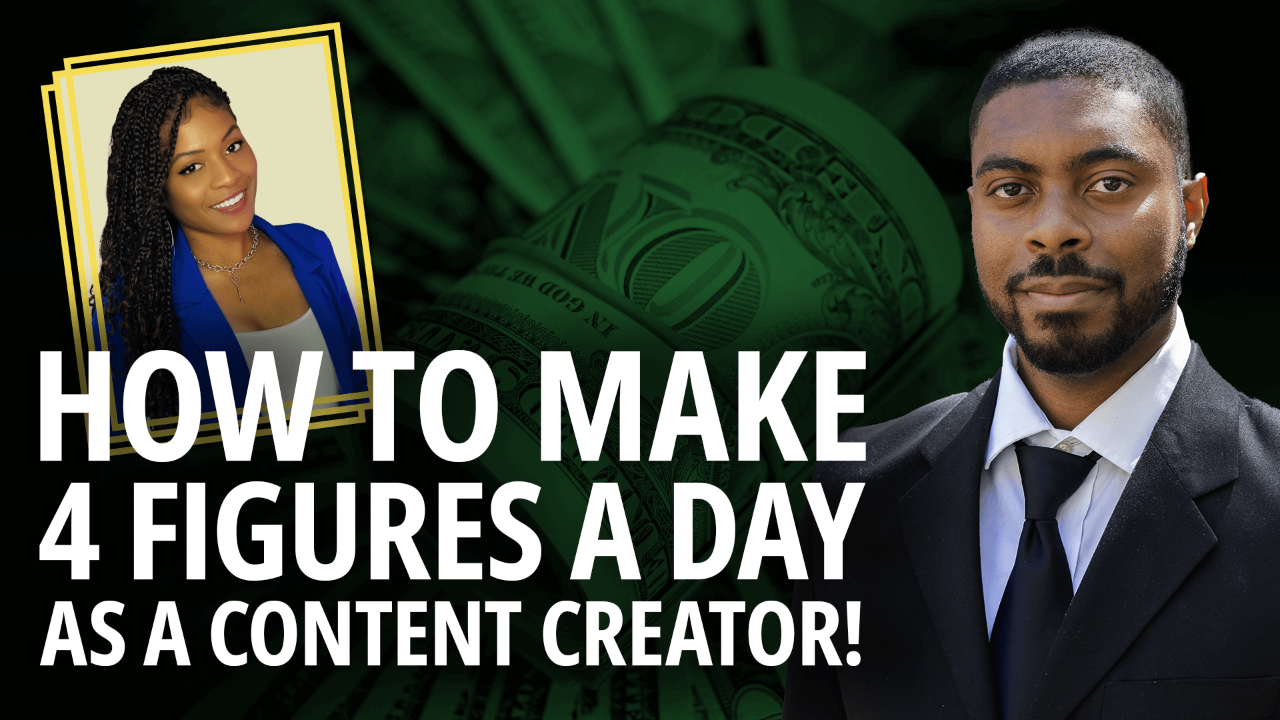
SHS052: How To Make 4 Figures A Day As A Content Creator With Nikki Connected!
Intro
What if your content wasn’t just content…
👉 But a direct driver of revenue?
In this episode, Elijah Bilel sits down with returning guest Nikki Connected to break down how her business has evolved since her first appearance on the show.
This time around, the conversation shifts from voice acting and ACX…
👉 To livestreams, digital products, and building a real online business
Intro to Nikki Connected
Nikki Connected is a former police officer turned full-time digital entrepreneur who helps people:
Make money from home
Build online income streams
Create and sell digital products
Since her first appearance on the show, her platform has grown significantly—going from around 30,000 subscribers to nearly 90,000 and beyond
She now runs multiple brands, including:
Nikki Connected (income + digital products)
Nikki For Real (lifestyle + behind-the-scenes content)
👉 Check out Nikki’s platform, YouTube, and resources here
Episode Overview
In this episode, we break down:
How livestreaming impacts revenue
Why content should be treated like a business asset
The transition from saving money → making money
Building digital products that generate long-term income
What a real day in the life of a content creator looks like
Listen to the Episode
Check us out on Apple Podcasts or Spotify! While you’re there, hit subscribe so you don’t miss our latest episodes!
Side Hustler’s Society Resources
The Personalized Side Hustle Starter Kit
How Livestreaming Became a Revenue Driver
One of the biggest shifts since Nikki’s last appearance:
👉 She now livestreams consistently
The Result
According to Nikki Connected:
👉 Livestreams can generate four-figure days in under an hour
Why This Works
Livestreams allow:
Real-time interaction
Instant trust-building
Immediate Q&A
The Bigger Insight
👉 People buy faster when they can ask questions
And More Importantly
👉 Livestreams shorten the sales cycle
Awesome Creator Academy
If you want to learn how to turn your content into something that actually generates income—and not just views—you can start building that system inside Awesome Creator Academy Here.
Content Is Not Just Content (It’s a Traffic Source)
One of the most important points Nikki Connected makes:
👉 Her YouTube channel is NOT for entertainment
It’s a Business Tool
She describes her content as:
👉 An ad for her products
But Done Strategically
Education + entertainment (“edutainment”)
Value-driven content
Clear monetization pathway
Key Takeaway
👉 Your content should lead somewhere
From Saving Money to Building Income
When Nikki first started, her content focused on:
Saving money
Finding deals
Budgeting
But That Shifted
As demand changed:
👉 People wanted to learn how to MAKE money
So She Pivoted
From “Deal Finding Diva” → Nikki Connected
From saving → earning
From quick cash → long-term income
Her Current Focus
👉 Digital products and passive income
Why
Because:
👉 Quick money doesn’t last
The Real Goal
👉 Build something that pays you repeatedly
The Power of Digital Products
A major theme in this episode:
👉 Digital products = leveraged income
Why They Work
Created once
Sold repeatedly
Available 24/7
Nikki Connected’s Strategy
Courses
Training programs
Educational content
Key Insight
👉 You don’t need to trade time for money
What a Real Day Looks Like as a Content Creator
A lot of people assume creators have a fixed routine…
Reality
👉 Every day is different
Nikki Connected’s Workflow Includes
Meditation (sometimes using VR tools)
Content scheduling
Managing multiple platforms
Setting up automations
Responding to emails and brands
Editing and publishing content
One Key Strategy
👉 Automations
Example:
Comment triggers
Affiliate links
Auto-responses
Why This Matters
👉 Systems create leverage
Balancing Multiple Brands
Nikki Connected now operates:
A business brand
A lifestyle brand
The Challenge
👉 Time management
The Solution
Prioritizing what feels aligned that day
Scheduling content ahead of time
Leveraging systems
Key Takeaway
👉 Flexibility is part of the business
The Difference Between Quick Money vs Real Income
This is where the conversation gets deeper.
Quick Money
Surveys
Apps
Small payouts
The Problem
👉 It disappears quickly
Real Income
Digital products
Business systems
Recurring opportunities
Elijah’s Perspective
Income that isn’t managed properly:
👉 Feels like it was never earned
Key Insight
👉 Money should be saved or reinvested
The Bigger Lesson From This Episode
This conversation highlights something critical:
Most People Stay in “Quick Money Mode”
But The Real Goal Is
👉 Building systems that generate income long-term
And The Bridge Between Those Two
👉 Content
If you’re serious about turning your content into a real business—where your videos, posts, and audience actually generate income—you can start learning how to do that inside Awesome Creator Academy Here.
Final Thoughts
This episode makes one thing clear:
👉 Content creation is not just about posting
It’s About
Strategy
Systems
Monetization
Because at the end of the day
👉 Views don’t pay
👉 Systems do
Watch The Podcast On Youtube!
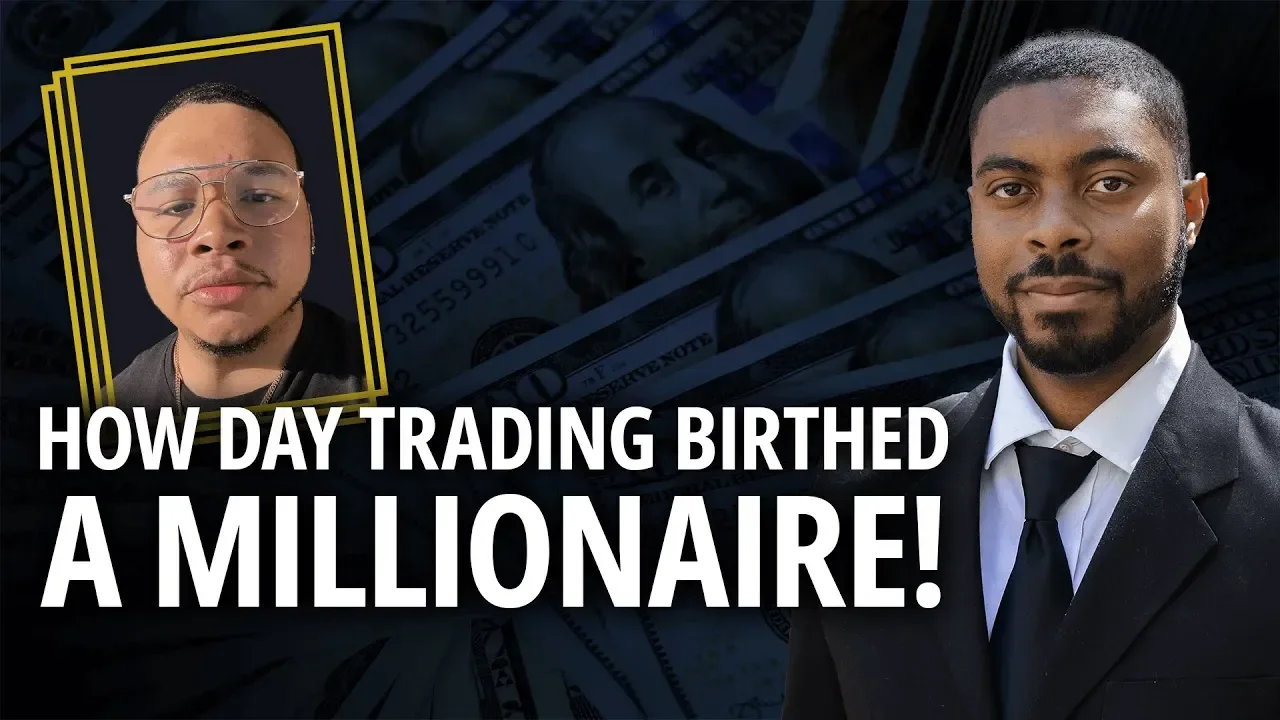
SHS051: The Day In The Life Of A 7 Figure Day Trader With Elijah Malone!
Intro
What does life actually look like as a full-time day trader?
Can you really make money from anywhere—even while traveling?
In this episode, Elijah Bilel sits down with Elijah Malone to break down what it really takes to succeed in trading—not just from a technical standpoint, but from a lifestyle and mindset perspective.
This conversation goes beyond surface-level trading talk…
👉 It dives into what it actually means to be self-employed through trading
Intro to Elijah Malone
Elijah Malone is the CEO of Alpha FRX, where he helps individuals learn how to trade in the forex and stock markets through:
Mentorship programs
Online courses
Community-based learning
He’s built his brand around:
Financial literacy
Discipline
Practical strategies for becoming profitable
👉 Check out Elijah Malone’s platform and resources here
👉 You can also access his broker and trading tools here
Subscribe Now And Get Chapter 5 Of The Best Selling Book, The Anatomy Of Financial Success!
Find out about the different types of income there are and which one(s) are best for you based on your personality! Click here to join out newsletter and get started!
Episode Overview
In this episode, we break down:
What day trading actually looks like day-to-day
The mindset required to succeed
How Elijah Malone became profitable
The pros and challenges of trading full-time
How affiliate opportunities play a role in income
Why most beginners struggle
Listen to the Episode
Check us out on Apple Podcasts or Spotify! While you’re there, hit subscribe so you don’t miss our latest episodes!
Side Hustler’s Society Resources
Side Hustle to Full-Time Strategy Session
The Personalized Side Hustle Starter Kit
The Anatomy Of Financial Success Paperback
Can You Really Trade From Anywhere?
One of the most interesting parts of this episode:
👉 Trading while on a cruise
The Scenario
Elijah Malone documented a challenge where he aimed to make:
👉 $150,000 in a week while traveling
What Elijah Malone Showed
Real trades
Entries and exits
Profits and losses
The mental side of trading
Key Insight
👉 Trading isn’t just about strategy
👉 It’s about psychology
The Reality of Becoming Profitable
A lot of people want to get into trading…
But very few understand the process.
Elijah Malone’s Journey
Started trading and learning on his own
Took about 2 years to become profitable
Eventually turned it into a business
The Problem Most Beginners Face
👉 Trying to learn everything alone
Elijah Malone’s Solution
Mentorship
Structured learning
Guidance from someone experienced
Key Takeaway
👉 Speed comes from guidance
The Mindset Behind Trading Success
One of the biggest themes in this episode:
👉 Mindset is everything
What Elijah Malone Focuses On With His Students
Discipline
Consistency
Perspective
Why This Matters
Because trading isn’t just technical…
👉 It’s emotional
Real Insight
👉 Most people don’t fail because of strategy
👉 They fail because of mindset
From Job Loss to Full-Time Trading
Elijah Malone shares a key turning point:
What Happened
Lost his job during COVID
Had been working there for years
Needed a new direction
The Decision
👉 Go all-in on trading
Key Insight
👉 Sometimes being forced into change creates opportunity
The Truth About Trading Platforms
Another interesting discussion:
Are Traders Loyal to Platforms?
👉 Not really
Why?
Because traders look for:
Better tools
Faster payouts
Better commissions
More leverage
Example Mentioned
Genesis FX stood out because of:
Fast withdrawals
Strong referral program
Features like 10x accounts
Key Takeaway
👉 The tool doesn’t matter as much as how you use it
The Affiliate Angle (Underrated Income Stream)
This is where the conversation shifts into business strategy.
Elijah’s Perspective
👉 If you’re already using something…
👉 And helping others use it…
👉 You should be monetizing it
Why This Works
Companies:
Allocate large budgets to affiliates
Prefer referral-based customers
Incentivize creators to promote
Key Insight
👉 Affiliate income can stack on top of your main skill
Young and Self-Employed (Breaking the Myth)
Another strong point in this episode:
The Misconception
👉 You need to be older to become financially independent
The Reality
Both Elijah and Elijah Malone prove:
👉 You can do it in your early 20s
The Real Requirement
👉 Making the decision to pursue something different
Two Types of People
Those who follow traditional paths
Those who take ownership of their income
Key Takeaway
👉 Your timeline is up to you
The Bigger Lesson from This Episode
This conversation highlights something deeper:
Trading Is Just the Vehicle
👉 The real focus is:
Skill development
Discipline
Monetization
Because at the end of the day
👉 The same principles apply to ANY side hustle
Final Thoughts
This episode gives a realistic look at:
👉 What it takes to make trading work
Not Just Strategy
But:
Mindset
Discipline
Business thinking
Because Ultimately
👉 Freedom comes from skill + execution
Watch The Podcast On Youtube!

SHS050: How I Make Money Off Of My Lifestyle As A Content Creator! | From Side Hustle To Full Time
Intro
What does it really take to build something that lasts over a decade?
In this special episode, Elijah Bilel becomes the guest as he’s interviewed live during the 10-year anniversary of The Veggie Outers.
Hosted by Yoshi Me who also has been on the show last season. You can see that show here. This episode blends:
A live interview
A behind-the-scenes origin story
A real-time audience Q&A
This isn’t just a reflection…
👉 It’s a blueprint for building something that actually lasts
Episode Overview
This episode serves as:
The first episode of Season 3
A live in-person interview experience
A foundation for understanding Elijah’s monetization strategy
The Bigger Theme of This Episode
👉 How to survive in the world without a 9 to 5
What That Looks Like
Monetizing your skills
Building multiple income streams
Creating a system that supports your freedom
How The Veggie Outers Got Started
Yoshi opens with the question:
👉 “How did The Veggie Outers get started?”
Elijah’s Answer
It started with a personal transformation:
Poor diet early on
A coach calling it out
Immediate performance improvement after cleaning it up
The Realization
👉 Health creates real, immediate results
From Personal Change to Community
Coworkers noticed what he was eating
Questions started coming in daily
Conversations turned into curiosity
The First Move
Instead of answering questions repeatedly:
👉 Elijah organized a group outing
The Result
👉 The first Veggie Outers meetup was born
How It Turned Into a Massive Community
Yoshi follows up with:
👉 “How did you grow this into such a large group?”
Elijah’s Breakdown
Started with coworkers
Grew through word of mouth
Expanded through networking consistently
Key Trait
👉 “I’m a serial networker”
What That Led To
Constant exposure
Organic promotion
Rapid growth
Outcome
👉 Within about a year, the group exploded
Why Most Meetup Groups Fail (And This One Didn’t)
Another key question:
👉 “Why do you think this lasted when others didn’t?”
Elijah’s Answer
👉 It stopped being just a meetup… and became a brand
The Difference
Meetups = events
Brands = identity
His Analogy
Drawing from Batman Begins:
👉 A person can be ignored
👉 A symbol lasts forever
The Takeaway
👉 Build something bigger than the activity itself
Live Q&A: Questions From the Crowd
This is where the episode really opens up.
Question: “How can we support The Veggie Outers?”
Elijah’s Answer
There are two main ways:
1. Paid Support
The Veggie Outers is funded through:
The Side Hustler’s Society
Financial Anatomy
Video editing services
👉 That means supporting those supports the brand
You can also check out Elijah and his sister Tiffany’s books Here
2. Free Support
This is where most people underestimate their impact:
Showing up to events
Participating in reviews
Engaging with content
Sharing the brand
Key Insight
👉 Engagement is currency
Question: “How do you keep this sustainable long-term?”
Elijah’s Answer
👉 By not relying on the meetup itself to make money
Instead
Other businesses fund the brand
The brand feeds opportunities back into those businesses
Example
Veggie Outers content:
Acts as a video editing portfolio
Attracts new clients
Creates additional income streams
The System
👉 One ecosystem feeds another
Question: “How did you grow without social media algorithms helping?”
Elijah’s Answer
When The Veggie Outers started:
Facebook groups weren’t being pushed
Organic reach was limited
So What Worked?
👉 Direct outreach + word of mouth
Examples
Talking to coworkers
Networking in person
People sharing experiences
Key Takeaway
👉 You don’t need algorithms to grow
Question: “What made people keep coming back?”
Elijah’s Answer
👉 The experience + evolution
What Changed Over Time
Started as simple meetups
Evolved into a recognizable brand
Became something people identified with
Key Insight
👉 Retention comes from identity, not just events
The Hidden Business Model Behind Everything
One of the biggest takeaways from this episode:
The Veggie Outers Is Not the Product
👉 It’s the ecosystem
What It Does
Builds community
Creates content
Attracts opportunities
What Monetizes It
Services
Products
Other brands
The Lesson
👉 You don’t always monetize directly
Why This Episode Matters
This episode shows a real-world example of:
Turning a lifestyle into a brand
Growing without relying on algorithms
Monetizing without being pushy
Building something that lasts 10+ years
Listen to the Episode
Check us out on Apple Podcasts or Spotify! While you’re there, hit subscribe so you don’t miss our latest episodes!
Side Hustler’s Society Resources
Side Hustle to Full-Time Strategy Session
The Personalized Side Hustle Starter Kit
The Anatomy Of Financial Success Paperback
Final Thoughts
After 10 years, The Veggie Outers proves something powerful:
👉 Longevity is built through evolution
Not Just Starting
But:
Adapting
Expanding
Creating systems
And Most Importantly
👉 Building something bigger than yourself