
What to Do When You Run Out of Money as a One-Person Business?
Running your own business can be exciting, empowering, and full of opportunities. But what happens when the money dries up? For many self-employed entrepreneurs, freelancers, and solo business owners, running out of money is one of the biggest fears. The truth is, it’s not a matter of if this will happen—it’s a matter of when. Cash flow challenges are part of the entrepreneurial journey. What separates those who succeed from those who quit is how they handle this situation. Not in the mood to read this? Watch our video below instead!
In this article, we’ll explore three practical steps you can take when you run out of money as a one-person business. These steps are designed not just to help you survive but to position you for long-term growth.
Looking to find the best type of business to start based on your personality? Consider getting our free financial personality report here. There are 6 personality types that make up the financial world. Each one has their strengths and things they need to work on to ensure success. In addition to this, each personality type has a type of income, way of budgeting and spending money that works best for their emotional strengths. Click here to get your report today!
Step 1: Reduce or Eliminate Unneeded Expenses
The first step when money runs out is to take a hard look at your expenses. Go through every item in your business and personal life and identify what’s truly essential. Ask yourself:
Do I really need this subscription, tool, or service right now?
Can I downgrade, pause, or cancel it temporarily?
Can I find a more affordable alternative that serves the same purpose?
Every dollar you save here is valuable fuel you can reallocate to areas of your business that directly generate income. By cutting unneeded costs, you create breathing room in your cash flow.
Step 2: Invest Excess Cash Flow Into Advertising for High-Margin Products or Services
Once you’ve freed up money by reducing expenses, the next step is to put that cash to work. Instead of letting the savings sit idle, direct it toward advertising your highest-margin products or services. Why? Because high-margin offers give you the best return on investment.
Even a small advertising budget can make a difference when it’s targeted strategically. For example:
Run ads promoting a service package that has the best profit margin.
Double down on a product you know delivers strong results and customer satisfaction.
Test ad platforms where your ideal clients are most active.
This reinvestment turns your cost-cutting into a revenue-generating engine, helping you pull out of the money crunch faster.
Step 3: Book a Consultation With an Industry Expert
The third step is often overlooked but incredibly powerful—seeking guidance. When you’re low on funds, the last thing you may want to do is spend money on a consultation. But the right expert can save you time, prevent costly mistakes, and provide clarity on how to move forward.
An industry expert can help you:
Identify overlooked opportunities for growth.
Spot weaknesses in your current strategy.
Offer proven methods that accelerate results.
Think of this not as another expense but as an investment into your business’s future. The insights you gain could be worth far more than the consultation fee.
Summary: Three Steps to Take When You Run Out of Money
Running out of money doesn’t have to mean the end of your business. Instead, see it as a turning point. By following these three steps, you can transform a challenge into an opportunity:
Reduce or eliminate unneeded expenses to free up cash flow.
Invest the savings into advertising your highest-margin products or services to generate revenue.
Book a consultation with an industry expert to gain clarity, avoid mistakes, and accelerate growth.
These actions not only help you weather the immediate storm but also set your business up for long-term resilience and profitability.
Final Thoughts
Running out of money as a one-person business isn’t the end—it’s part of the entrepreneurial process. Every successful business owner has faced this situation, and many have come out stronger because of it. The key is to act decisively, invest wisely, and seek guidance when you need it most.
SHS031: 5 Books Every Freelancer Must Read Before Going Full-Time (Lead Generation Season Kickoff)
Intro
Season 2 of The Side Hustler’s Society is officially here—and this time, we’re focusing on one of the most important skills for anyone who wants to be self-employed:
👉 Lead generation.
Because the truth is…
👉 You can have the best skill in the world, but if you don’t know how to get clients, it doesn’t matter.
In this episode, Elijah Bilel kicks off the season by breaking down 5 powerful books that will give you the mindset, strategy, and foundation needed to succeed as a freelancer or business owner.
Episode Overview
In this episode, you’ll learn:
The difference between gig work and true self-employment
Why lead generation is the most important skill you can learn
5 must-read books for freelancers and entrepreneurs
How to think strategically about business and marketing
Why understanding yourself is key to financial success
Listen to the Episode
Check us out on Apple Podcasts or Spotify! While you’re there, hit subscribe so you don’t miss our latest episodes!
The 5 Books You Need to Read
1. Before You Quit Your Job – Robert Kiyosaki
Robert Kiyosaki
This book is a powerful introduction to what it actually takes to build a business.
Instead of just motivating you to quit your job, it prepares you for:
The reality of entrepreneurship
The ups and downs of building a business
The mindset required to succeed long-term
Elijah highlights that this book is heavy on conceptual thinking, which is critical if you want to move from employee to business owner
👉 It walks through building, failing, rebuilding, and eventually scaling a business
👉 Perfect for anyone thinking about going full-time
Click here to get the book
2. The 100 Absolutely Unbreakable Laws of Business Success – Brian Tracy
Brian Tracy
This book serves as a foundation for how business actually works.
Elijah explains that these laws became a guiding framework for his own journey
What makes this book powerful:
Everything in business ties back to these laws
Helps you make better decisions
Gives you a mental framework for success
👉 It’s not just a one-time read—it’s a reference guide you come back to
👉 Best used as both a reading AND study tool
Click here to get the book
3. The One Page Marketing Plan – Allan Dib
Allan Dib
This is one of the most important books for freelancers who struggle with:
👉 Getting clients
Elijah calls this book:
👉 Underrated—but extremely powerful
Why it stands out:
Focuses on strategy, not just tactics
Covers multiple ways to market your business
Helps you build a complete marketing system
Key insight from the episode:
👉 Tactics don’t work without strategy
This book teaches you:
How to build that strategy
How to align your marketing with your goals
How to stand out in a crowded market
Click here to get the book
4. Click: 10 Truths for Building Extraordinary Relationships – George Fraser
George Fraser
This is one of the most important books for:
👉 Networking and relationship building
Elijah emphasizes that many people misunderstand networking as:
❌ Fake
❌ Self-serving
❌ Transactional
But this book flips that perspective:
👉 Networking should be genuine and mutually beneficial
What you’ll learn:
How to build real relationships
How to create win-win situations
How to develop a strong business network
👉 This is especially important for freelancers who rely on referrals and connections
⚠️ Note: This book does not have an audiobook, so you’ll need to read it physically
Click here to get the book
5. The Anatomy of Financial Success – Elijah Bilel
The Anatomy of Financial Success
This book introduces one of Elijah’s core frameworks:
👉 Financial Personalities
Unlike most finance books, this one focuses on:
👉 Understanding yourself first
Because:
👉 Personal finance is personal
The book breaks down:
6 financial personality types
Strengths and weaknesses of each
How to align your income strategy with who you are
Elijah explains that success comes from:
👉 Building around your strengths
👉 Managing your weaknesses
This becomes especially powerful when applied to:
Business
Lead generation
Income strategies
Click here to get the book
Why These Books Matter for Freelancers
If you’re trying to go full-time…
You need more than just a skill.
You need:
The right mindset
A strong foundation
A clear strategy
The ability to get clients
These books give you:
👉 The complete blueprint
Bonus: Must-Watch Episode Before This Season
Before diving into Season 2, Elijah strongly recommends revisiting:
👉 Episode 5: 10 Tips Needed to Succeed as a Freelancer
This episode provides:
Foundational principles
Core freelance strategies
A setup for everything in this season
What to Expect in Season 2
Season 2 will focus on:
👉 Lead Generation for Freelancers and Business Owners
You’ll learn:
How to consistently get clients
How to market your services
How to build a sustainable business
Final Thoughts
Elijah Bilel closes this episode by emphasizing:
👉 This is just the beginning
If you take the time to study these books…
👉 You’ll be ahead of most people trying to go full-time
Watch The Podcast On Youtube!

10 Items You NEED To Make The Most Out Of Vidsummit 2026!
If you're planning to attend VidSummit 2026, you probably already know that getting the most out of the conference involves more than simply showing up and attending a few sessions.
I've attended VidSummit multiple times, and over the years I've learned that having the right things with you can make a big difference. Whether you're trying to network, create content, meet other creators, or simply make your experience easier, a little preparation can go a long way.
Here are 10 things I recommend bringing to VidSummit 2026 if you want to get the most out of your experience.
1. Kimunity Solution’s Question & Perspective Cards
One of the biggest opportunities at VidSummit is meeting other creators and having conversations with people you may not normally have access to.
That's why I recommend buy KimUnity Solution’s question or perspective cards.
The idea is simple: have a few interesting questions, conversation starters, or topics prepared ahead of time that you can use when meeting someone new. This can make networking much easier, especially if you're someone who doesn't naturally know what to say when approaching a stranger.
Instead of walking up to someone and asking the usual "What do you do?", you can start a more meaningful conversation.
You don't necessarily need professionally printed cards. You can write questions down on index cards or keep them on your phone. The important thing is to have some conversation starters ready so you aren't trying to come up with something on the spot. Click here to buy them today!
2. A Portable Phone Charger
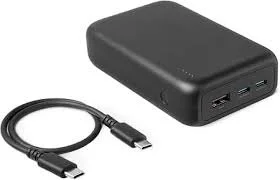
Your phone is going to be extremely important at VidSummit.
You'll likely use it to communicate with people, exchange contact information, take pictures, record videos, check the conference schedule, use social media, and potentially create content.
The problem is that doing all of that can drain your battery quickly.
That's why a portable phone charger or power bank is one of the simplest things you can bring.
You don't want to find yourself in the middle of an important networking conversation or trying to record something only to realize your phone is about to die. A portable charger gives you the freedom to stay mobile without constantly looking for an outlet. You can get one here.
3. A Notepad and Pencil
Even though most of us use our phones and computers to take notes, I still recommend bringing a traditional notepad and pencil.
VidSummit can provide you with a lot of information in a relatively short amount of time. You may hear an idea during a presentation, have an important conversation with another creator, or think of something you want to implement when you get home.
Having a physical notebook gives you somewhere to quickly write those things down.
It can also be useful during networking. If someone gives you an idea, recommendation, or piece of information that you don't want to forget, you can write it down immediately.
You don't need anything fancy. A simple notebook works.
4. A Backpack
You're probably going to accumulate things throughout the conference.
You may receive promotional materials, business cards, merchandise, brochures, or other items from sponsors and exhibitors. You may also want to carry your own equipment and personal belongings.
That's why bringing a backpack or another comfortable bag is a good idea.
It gives you somewhere to keep all of those things without having to carry everything in your hands.
Just make sure whatever bag you bring is comfortable enough to wear for extended periods of time.
5. A Portable Microphone
If you're planning on creating content at VidSummit, consider bringing a portable microphone.
VidSummit puts you in a unique environment where you can potentially interview creators, speakers, entrepreneurs, and other interesting people.
You don't necessarily need a complicated production setup. A small microphone that connects to your phone can significantly improve the audio quality of interviews and other videos you record at the conference.
This can also give you an opportunity to create content that you wouldn't normally be able to make.
Instead of simply attending VidSummit, you can document your experience and use the people you meet as part of your content. Click here to get one.
6. A Phone Holder
If you're creating content at VidSummit, a phone holder or small tripod can also be extremely useful.
It allows you to set your phone up to record yourself without needing another person to hold the camera.
This can be helpful when you're:
Recording yourself talking about the conference
Creating social media content
Recording interviews
Taking group pictures or videos
Documenting your experience
A small phone tripod doesn't take up much room, but it can give you considerably more flexibility when you're trying to create content. You can see multiple ones here
7. A QR Code
This is one of the more strategic items on the list.
If you have a business, website, newsletter, social media account, YouTube channel, podcast, or another project that you want people to check out, consider having a QR code that takes people directly to it.
Networking often involves exchanging information quickly. Instead of trying to spell out a website or asking someone to search for you later, you can simply let them scan your QR code.
You could have a QR code that leads to your website, a landing page containing all of your important links, your social media profiles, or wherever you want people to go. Its up to you what you use for this but I personally use Genius link
The key is to make it as easy as possible for someone you meet to stay connected with you after the conference.
8. Conference Crushing
You should also consider bringing Conference Crushing.
Conference Crushing is a resource designed to help you get more out of networking and meeting people at conferences.
VidSummit is filled with opportunities to meet creators, entrepreneurs, speakers, and other professionals. But simply being surrounded by people doesn't automatically mean you're going to build meaningful relationships.
Having a strategy for approaching people, starting conversations, and following up can make a major difference.
If networking is one of your primary reasons for attending VidSummit, having a resource like Conference Crushing can help you be more intentional about how you spend your time. You can grab a copy of the book here.
9. Water
This may seem obvious, but bring water.
You're going to be walking around, talking to people, attending sessions, and potentially spending a long time on your feet.
It's easy to get caught up in everything happening at the conference and forget something as basic as staying hydrated.
Having a reusable water bottle with you can help make sure you always have something to drink without constantly having to stop what you're doing.
10. Merch
Finally, consider bringing merchandise for your own brand.
If you have a business, YouTube channel, podcast, or other brand, VidSummit can be a great place to get your brand in front of other people.
That could mean wearing a shirt with your logo, bringing stickers, business cards, or another type of branded item.
The goal isn't necessarily to walk around handing things to everyone you see. Instead, merchandise can naturally become part of a conversation and give someone another way to remember you after the conference.
If someone you've just met asks about your shirt or sticker, you've now got an easy conversation starter.
Bonus: An External Hard Drive
There's one more item I recommend bringing if you're serious about creating content at VidSummit: an external hard drive.
If you're going to record a lot of video during the conference, you're potentially going to create a large amount of footage.
Having an external drive gives you somewhere to back up that footage and free up space on your computer or other devices.
The last thing you want is to return home with hours of potentially valuable footage and realize that you don't have enough storage space to properly manage it. The one I use is here
Final Thoughts
VidSummit can be much more than a conference where you sit in a room and watch presentations.
For me, a major part of the value comes from the people you meet, the conversations you have, the relationships you build, and the content and ideas you take home with you.
That's why preparation matters.
Having a portable charger can keep your phone running. A notebook can help you capture ideas. A microphone and phone holder can help you create content. A QR code can make it easier to exchange information. And having a strategy for networking can help you turn brief conversations into meaningful relationships.
You don't necessarily need to bring every item on this list. Think about what you're hoping to accomplish at VidSummit and choose the things that will help you accomplish those goals.
The most important thing is to show up prepared to participate, connect, and take advantage of the opportunities around you.
If you're attending VidSummit 2026, preparation can help ensure that you don't simply attend the conference—you actually get something valuable out of it.
Going to this year's vidsummit? Click here to get your ticket and be part of Elijah's vidsummit crew during the event!

SHS030: VidSummit Review 2024: Was It Yay Or Nay?
Intro
What is VidSummit actually like?
Is it worth going?
And more importantly…
👉 Can it actually change your trajectory as a content creator?
In this bonus panel episode, Elijah Bilel brings together a group of creators to break down their real experiences at VidSummit 2024—from networking and opportunities to what most people get wrong when attending events like this.
Going to this year's vidsummit? Click here to get your ticket and be part of Elijah's vidsummit crew during the event!
Panel Cast
Host:
Elijah Bilel – Founder of The Side Hustler’s Society
Panelists:
Gregory Rutledge – Creator behind Question Everything
👉 Check out his YouTube channel hereDejion – Sound Engineer & Creative
👉 Connect with him on Instagram hereYuly Torres – Creator behind Engineer Your Fleet
👉 Check out her YouTube channel hereKelly Harada – Creator behind My Love Letter To Books
👉 Check out her YouTube channel hereDavid Gaines – Creator behind Applied Ascension
👉 Check out his YouTube channel here
Episode Overview
In this panel discussion, we break down:
What VidSummit is really like behind the scenes
Why networking is more valuable than the presentations
The unexpected opportunities that come from showing up
How content can influence people in ways you don’t see
The importance of owning your audience (email lists, platforms, etc.)
What creators should do differently when attending events
Listen to the Episode
Check us out on Apple Podcasts or Spotify! While you’re there, hit subscribe so you don’t miss our latest episodes!
The Power of Content (Real Proof from VidSummit)
One of the most impactful moments from this episode comes directly from Elijah’s experience at the event.
👉 People recognized him from his VidSummit video
👉 And showed up because of it
As shared in the episode, someone literally watched his video multiple times—and even had it sent to them again by a friend before attending
The Bigger Lesson
👉 You don’t always see the impact of your content
But that doesn’t mean it’s not happening
Key Takeaway
Content can:
Influence decisions
Bring people into rooms
Create opportunities before you even arrive
Why VidSummit Is Really About Networking
While VidSummit is known for its presentations…
The panel reinforces something important:
👉 The REAL value is in the hallways
Elijah’s Strategy
Elijah Bilel intentionally spent most of his time:
Networking
Having conversations
Building relationships
The Result
Multiple podcast guests secured
New business opportunities
Sponsorship conversations
Key Insight
👉 Events don’t pay off because you attend
👉 They pay off because of how you show up
The Hidden Opportunity Most Creators Miss
A major theme throughout the discussion:
👉 Most creators attend events passively
What That Looks Like
Sitting in sessions all day
Not talking to people
Not building relationships
What Actually Works
Being intentional
Starting conversations
Following up
Because at the end of the day
👉 Relationships = opportunities
Owning Your Audience (A Critical Lesson)
Another key takeaway from the episode:
👉 You don’t own your audience on platforms
Why This Matters
If something happens to:
Your YouTube channel
Your social media
👉 You lose access instantly
The Solution
👉 Build an email list
👉 Own the relationship
If you’re serious about building a sustainable content business and learning how to grow, monetize, and protect your platform long-term, you can join Roberto Blake's Awesome Creator Academy Here . Elijah has been a member for years and the system he uses to launch ad sustain all of his youtube channels, he learned in this academy
Pros of VidSummit (From the Discussion)
Across the panel, several benefits stood out:
1. Networking Opportunities
High-level creators in one place
Easy access to conversations
Organic collaboration potential
2. Business Opportunities
Sponsorships
Partnerships
Client relationships
3. Exposure
People recognizing your content
Building credibility in real life
Cons of VidSummit
The panel also highlights a few drawbacks:
1. Scheduling Conflicts
👉 You often have to choose between:
Networking
Presentations
2. Limited Time
Not enough breaks for networking
Packed schedule
3. Missing Key Creators
Some expected creators weren’t present, which can impact:
Networking expectations
Value perception
The Biggest Takeaway from This Panel
If there’s one thing this episode makes clear:
👉 Content + proximity = opportunity
Breakdown
Content gets you recognized
Proximity turns that recognition into opportunity
And When You Combine Both
👉 That’s where real growth happens
Why You Should Be Creating Content (Even If You’re Hesitant)
This episode reinforces something critical:
👉 You never know who’s watching
And More Importantly
👉 You don’t know how your content is influencing decisions
So Instead of Waiting
👉 Hit record
👉 Share your thoughts
👉 Build your presence
If you want to take your content seriously and learn how to turn it into real income, opportunities, and long-term growth, you can get access to the Awesome Creator Academy that Elijah is a part o by clicking Here .
Final Thoughts
This panel highlights a powerful reality:
👉 Events like VidSummit are multipliers
But Only If You Use Them Right
Talk to people
Build relationships
Create content consistently
Because at the end of the day
👉 Opportunities don’t come from watching
👉 They come from participating
Watch The Podcast On Youtube!
SHS029: How To Maximize Your Productivity & Avoid Burnout As A Freelancer with Alexis Haselberger
Intro
One of the biggest mistakes people make when leaving a 9–5…
👉 Is thinking they no longer need structure.
But the reality is:
👉 Structure doesn’t disappear… it becomes your responsibility.
In this episode of The Side Hustler’s Society, Elijah Bilel dives into one of the most overlooked skills in entrepreneurship:
👉 Time management and productivity.
Because without it, even the most motivated people can burn out or feel like they’re working all day—but getting nowhere.
Subscribe To Elijah's New Youtube Channel, Social Dynamics
Find out the different ways that Elijah teaches to grow your network, plan events with big turnouts and advance in your career by cultivating the right relationships. Click here to join out newsletter and get started!
Intro to Alexis Haselberger
Time management and productivity coach helping people “do more and stress less”
Has taught thousands of individuals how to take control of their time
Works with major companies including Google, Lyft, Workday, Capital One, and Upwork
Specializes in helping high-achievers avoid burnout while maintaining productivity
Background in startups, operations, HR, and business systems
👉 Check out Alexis Haselberger’s YouTube channel: Here
👉 Visit her website: https://www.alexishaselberger.com/
Episode Overview
In this episode, you’ll learn:
Why entrepreneurs struggle with time management
The biggest productivity mistakes freelancers make
How to avoid burnout while building a business
Why “being busy” isn’t the same as being productive
How to prioritize what actually matters
Listen to the Episode
Check us out on Apple Podcasts or Spotify! While you’re there, hit subscribe so you don’t miss our latest episodes!
Side Hustler’s Society Resources
Side Hustle to Full-Time Strategy Session
The Personalized Side Hustle Starter Kit
The Anatomy Of Financial Success Paperback
Quick Takeaways
Elijah Bilel highlights the importance of structure in self-employment
Alexis Haselberger explains why most people overload themselves with tasks
Productivity is about priorities—not just effort
Boundary setting is critical for freelancers
Systems help reduce overwhelm and increase output
Why Time Management Becomes Harder After Leaving a Job
When you work a traditional job:
Your schedule is structured
Your tasks are defined
Your expectations are clear
But once you become self-employed…
👉 You lose all of that structure
And if you don’t replace it:
👉 Things start to fall apart
As Alexis explains, many people assume freedom = no structure…
👉 But that leads to chaos instead of results
The “Busy But Not Productive” Trap
One of the biggest problems entrepreneurs face:
👉 Feeling busy… but not making progress
This shows up as:
Answering emails all day
Jumping between tasks
Never finishing important work
By the end of the day:
👉 You worked… but didn’t move forward
The #1 Mistake: Doing Too Much
According to Alexis Haselberger, the biggest issue is simple:
👉 People try to do everything
Long to-do lists
Too many goals
No clear priorities
The reality?
👉 You can’t do everything at once
Even if you worked:
👉 18 hours a day
You’d still have more to do
Why Prioritization Is Everything
Instead of trying to do everything:
👉 Focus on what matters most
This means:
Choosing what to work on now
Delaying what isn’t urgent
Letting go of unnecessary tasks
👉 Progress comes from focus—not volume
The Hidden Problem: No System
Another major issue Alexis highlights:
👉 People keep everything in their head
Which leads to:
Stress
Forgetting tasks
Mental overload
Instead, you need:
👉 An external system
Whether that’s:
A task app
A planner
A structured workflow
Elijah’s Real-World Experience
Elijah Bilel connects this to real life:
👉 When you’re self-employed, people assume you’re always available
This creates problems like:
Constant interruptions
Random calls
Time being taken without structure
To fix this, Elijah:
👉 Created boundaries
Even turning his time into:
👉 A paid consultation offer
Which:
Reduced unnecessary calls
Attracted serious people
Increased income
The Importance of Boundaries
Alexis reinforces this point:
👉 Without boundaries, you burn out
Many freelancers feel like they must:
Be available 24/7
Overdeliver constantly
Say yes to everything
But that leads to:
❌ Stress
❌ Exhaustion
❌ Lower performance
The Solution: Build Structure on Purpose
The biggest takeaway:
👉 You must create your own structure
This includes:
Defined work hours
Clear priorities
Task systems
Boundaries with clients
How to Start Improving Your Productivity
1. Get Everything Out of Your Head
Use a system to track tasks
2. Prioritize Ruthlessly
Not everything matters equally
3. Limit Your Focus
Too many tasks = no progress
4. Set Boundaries Early
Train people how to work with you
5. Think Long-Term
Sustainability beats burnout
Who This Episode Is For
Freelancers
Self-employed individuals
Side hustlers going full-time
Anyone struggling with productivity
Key Topics Covered
Alexis Haselberger’s productivity strategies
Insights from Elijah Bilel
Time management for entrepreneurs
Avoiding burnout
Prioritization and systems
Watch The Podcast On Youtube!

SHS028: How To Make A Full Time Living Stock Trading With Theo
Intro
Trading stocks is one of the most talked-about ways to make money…
👉 But can you actually turn it into a full-time income?
In this episode of The Side Hustler’s Society, Elijah Bilel sits down with a professional trader to break down:
What trading really looks like day-to-day
How traders actually make money
And whether this path is realistic for beginners
Intro to Theo
CEO of Omega Trades
Experienced options trader with several years in the market
Uses algorithm-based strategies to identify trading opportunities
Specializes in analyzing market trends, volatility, and sector movements
Based in New York with global trading experience
Episode Overview
In this episode, you’ll learn:
How Theo got started in trading
What a typical day looks like as a trader
The difference between bull and bear market strategies
How to identify winning stocks and industries
The mindset needed to succeed in trading
Listen to the Episode
Check us out on Apple Podcasts or Spotify! While you’re there, hit subscribe so you don’t miss our latest episodes!
What Trading Actually Looks Like
One of the biggest misconceptions:
👉 People think trading is either:
Sitting at a computer all day
Or making money in 30 minutes
The reality?
👉 It’s both… depending on the market
Theo explains:
Some days = 30 minutes of monitoring
Other days = hours of adjusting positions
Some weeks = very little activity
How Theo Got Started
Like many traders…
👉 It started with curiosity + opportunity
Learned from his dad (finance background)
Started with a small amount of money
Realized the earning potential quickly
Key takeaway:
👉 The money is what attracts people… not the process
The Truth About “Boring” Money
Elijah Bilel highlights a major principle:
👉 The highest-paying skills are often the least exciting
Examples:
Finance
Trading
Accounting
👉 Less competition = more opportunity
Do You Need Passion to Make Money?
This episode flips a common belief:
👉 You don’t have to monetize your passion
Instead:
Make money with something you don’t hate
Use that money to fund what you love
Theo’s Trading Strategy Breakdown
1. Sector Rotation
Theo Darringer focuses on:
Where the economy is headed
Which industries benefit most
Example:
Bull market → Tech stocks perform well
Bear market → Defensive strategies
2. Bull Market Strategy
When markets are rising:
👉 He looks at:
ETFs (like S&P 500)
Long-term options (12+ months)
Goal:
👉 Leverage growth while managing risk
3. Bear Market Strategy
When markets are falling:
👉 He shifts strategy completely
Focus:
Smaller companies (low market cap)
Companies less tied to overall market swings
How Traders Pick Stocks
Theo keeps it simple:
P/E ratio
Industry trends
Economic direction
Company fundamentals
👉 Everything ties back to one question:
“Does this company benefit from where the economy is going?”
The Reality of Trading Life
Trading is:
Unpredictable
Market-driven
Emotionally dynamic
But for the right person…
👉 That’s part of the appeal
The Most Important Skill in Trading
According to Theo:
👉 Experience beats everything
Why?
You learn from losses
You avoid repeating mistakes
You develop real judgment
Elijah’s Real Estate Comparison
Elijah Bilel connects trading to real estate:
👉 People who take action get more help
Beginners who just “study” stay stuck
People with skin in the game get real guidance
Big Lesson From This Episode
If you want to succeed in trading:
👉 Don’t just learn… DO
Start small
Gain experience
Learn from mistakes
Who This Episode Is For
People curious about stock trading
Beginners wondering if trading is realistic
Side hustlers exploring new income streams
Anyone interested in financial markets
Key Topics Covered
Theo’s trading journey
Insights from Elijah Bilel
Bull vs bear market strategies
Sector rotation explained
Trading mindset and experience