
SHS027:Balancing A $80,000 A Year Freelancer Business And A Full Time Job With Annie Margarita Yang
Intro
Building a side hustle is one thing…
👉 But building a successful business while working a full-time job? That’s a completely different challenge.
In this episode of The Side Hustler’s Society, Elijah Bilel dives into a topic he openly admits he has less experience with:
👉 Balancing a 9–5 job while scaling a profitable side business.
To break it down, Elijah brings in someone who has mastered this exact path.
Subscribe To Elijah's New Youtube Channel, Social Dynamics
Find out the different ways that Elijah teaches to grow your network, plan events with big turnouts and advance in your career by cultivating the right relationships. Click here to join out newsletter and get started!
Intro to Annie Margarita Yang
Personal finance content creator and YouTuber with over 1 million views
Bestselling author focused on helping young professionals build wealth and escape debt
Built a side business generating over $80K/year while maintaining a full-time job
Specializes in practical, no-nonsense financial strategies for millennials
Started her business by turning her accounting job skills into freelance services
👉 Check out Annie Margarita Yang’s YouTube channel: Here
👉 Get her book The 5-Day Job Search: here
Episode Overview
In this episode, you’ll learn:
How to build a side business while working full-time
The difference between freelancing vs traditional side hustles
How Annie scaled her income without quitting her job
Why packaging your skills is key to making money
The mindset required to balance both worlds
Listen to the Episode
Check us out on Apple Podcasts or Spotify! While you’re there, hit subscribe so you don’t miss our latest episodes!
Side Hustler’s Society Resources
Side Hustle to Full-Time Strategy Session
The Personalized Side Hustle Starter Kit
The Anatomy Of Financial Success Paperback
Quick Takeaways
Elijah Bilel highlights the importance of flexibility vs structure
Annie Margarita Yang shows how to turn a job skill into a scalable business
Freelancing can be more strategic than traditional side hustles
You don’t need to quit your job to build serious income
Systems and packaging matter more than hours worked
The Reality of Building While Employed
One of the biggest insights from this episode:
👉 There is no “perfect time” to start
Unlike Elijah’s journey—where he built businesses while self-employed—Annie had to:
Manage limited time
Work around a fixed schedule
Stay consistent despite constraints
How Annie Built Her Side Business
Instead of chasing random side hustles…
👉 Annie used what she already knew
She:
Worked in accounting full-time
Identified repeatable tasks
Offered those tasks as freelance services
Example services she provided:
Entering bills
Paying bills
Bank account reconciliation
👉 Simple… but valuable
The Key Strategy: Break Skills Into Smaller Services
This is one of the most important gems in the episode:
👉 You don’t have to sell the whole package
Annie explains that many clients:
Don’t need full-time help
Don’t have big budgets
Only need specific tasks completed
So instead of selling “everything”…
👉 She sold pieces of her skillset
Why This Strategy Works
This approach allowed her to:
Get clients faster
Charge monthly retainers
Build consistent income
Scale without overworking
👉 Her first client paid $150/month
👉 That alone covered her course investment
Turning Skills Into Income Streams
Over time, Annie expanded beyond freelancing:
YouTube content creation
Brand partnerships (real estate & finance companies)
Educational content
One standout example:
👉 She earns $500 per video for brand content—with minimal editing required
Balancing a Job and a Business
A lot of people assume:
👉 You need 12+ hour days to make this work
But Annie’s reality is different:
~3–4 hours on her job
~3–4 hours on her business
~8 total working hours per day
👉 It’s not about working more…
👉 It’s about working smarter
The Power of Deadline-Based Work
Another key advantage of her business model:
👉 It’s deadline-driven, not hourly
That means:
Less stress about time tracking
More control over schedule
Higher efficiency
The Mental Challenge No One Talks About
This episode also touches on something deeper:
👉 Completion anxiety
Even when everything is done…
👉 It still feels like it’s not enough
Annie shares that:
Tasks constantly pile up
There’s always more to do
It creates a subtle level of stress
Elijah’s Perspective
Elijah Bilel brings an interesting contrast:
👉 He built businesses with full control over his schedule
Which highlights a key difference:
Annie = structured growth
Elijah = flexible growth
The Big Lesson
You don’t need to choose one path.
👉 You can build BOTH
A stable income
A scalable business
The key is:
👉 Strategy, not speed
Who This Episode Is For
People working a 9–5 who want to start a business
Freelancers trying to get their first clients
Side hustlers looking to scale income
Beginners who feel stuck between job vs business
Key Topics Covered
Annie Margarita Yang’s business model
Insights from Elijah Bilel
Freelancing vs side hustles
Building income streams while employed
Productivity and time management
Watch The Podcast On Youtube!

How Many Leads Do You Need to Go Full-Time as a Freelancer or One-Person Business?
If you're a freelancer, solopreneur or one person business, there’s a big question you need to answer before you can fully transition out of your 9-to-5:
"How many leads do I need every month to go full-time in my business?"
In the world of self-employment and one-person businesses, this question isn’t just important — it’s everything. Because if you want to generate consistent income, you need a consistent flow of leads. Leads turn into sales, and sales turn into income — the kind of income that keeps the lights on.
Not in the mood to read? Check out the video below instead!
Whether you’re just starting out or already trying to scale, this guide will help you understand exactly what you need to do to survive as a full-time freelancer. Here’s a simple 3-step strategy based on real experience to help you figure out how many leads you need to stay in business.
Step 1: Know Your Survival Number as a Freelancer
Before you can worry about how to get clients, you need to know what freelancer survival income looks like for you. That means calculating the minimum monthly income required to live — not thrive, but simply survive.
This is the baseline number that allows you to operate your business and pay your bills without panic. Think of it as your “freelancing monthly income survival goal.”
Start by listing only your essential expenses. For example, let’s take someone like Jermaine:
Rent
Car note
Weekly groceries
Phone bill
Now here’s where it gets real — you need to separate survival from comfort. A gym membership, for example, falls under comfort. During the pandemic, I didn’t have access to a gym, but I still got my workouts in by jogging around the neighborhood, doing Shaun T’s Insanity, and using push-up handles at home. In other words, survival doesn’t require luxury.
Let’s say Jermaine’s survival expenses total up to $3,000/month. Now add a 10% buffer to account for unexpected life events — car repairs, broken phones, surprise bills.
10% of $3,000 = $300
Total monthly goal: $3,300/month
This is your full-time freelancer strategy baseline. It’s not savings — it’s a creative financing buffer that keeps you from spiraling when life happens. I talk about this in more detail in my book, The Anatomy Of Financial Success.
If you’re self-employed, this step is non-negotiable. It gives you the clarity you need to reverse-engineer your lead generation game.
Step 2: Track Which Lead Sources Are Converting into Clients
Once you’ve locked in your monthly income goal, the next move is tracking where your freelancer lead generation is actually coming from. Because not all leads are created equal.
A lot of people waste time spinning their wheels on content, places, events or platforms that don’t move the needle. What matters is which lead sources convert into paying clients.
Here’s a personal example:
“I regularly to a local event called MixerCloud. This is an event that helps people land jobs and clients for people in the tech field. Since i'm a video editor and a consultant, I find that I am able to get clients from this event very frequently.”
That’s a perfect example of a converting lead source — an in-person event that actually brought in business. That single event produced more results than other regular events that I have attended.
So if you're wondering how to get clients as a freelancer, it starts with looking at what's already working. Identify what strategies or platforms are creating conversations, bookings, or closed deals.
Keep track of:
Events like MixerCloud
Referrals
Specific platforms
Outreach efforts
This kind of lead tracking for freelancers is critical. It shows you where to focus your time and energy — and where to stop wasting it.
Step 3: Give Less Attention to Non-Converting Lead Sources
Now for the tough part: You need to stop spending time on lead sources that aren’t converting.
Let me give you another real example:
“I don’t like messaging people on Instagram, which is why I don’t focus on it. It takes too much time for little payoff. I prefer to meet people in person and network to get my clients. This scenario could be reversed for some people and that's fine. The key is too not focus on what isn't leading to revenue generation”
It’s that simple. If you're not using a platform to actively connect and close leads, it’s not going to do much for your solopreneur lead sources strategy.
A lot of people assume that doing everything from a lead generation perspective equals more sales. But as a one-person business, your time is limited. Don’t spread yourself thin on strategies that look good but don’t deliver.
So here’s the rule: Double down on what works, and reduce attention on what doesn’t.
Final Thoughts: Work Smarter, Not Harder
To thrive as a self-employed business owner, you need more than hustle. You need strategy. You need numbers. And you need focus.
Let’s recap your three-step action plan:
Calculate your survival income (essential monthly expenses + 10%)
Track what lead sources convert clients (events, platforms, outreach)
Reduce attention to what’s not converting (and go all-in on what is)
This is the exact method I’ve used — not theory. These are solopreneur tips that can keep your business stable, even as a one-person business with no team behind you.
If you would like to know more about thriving as a one person business owner, consider joining The Self Made Business Academy where we support people making the transition from side hustle to a full time one person business. Click here to learn more!
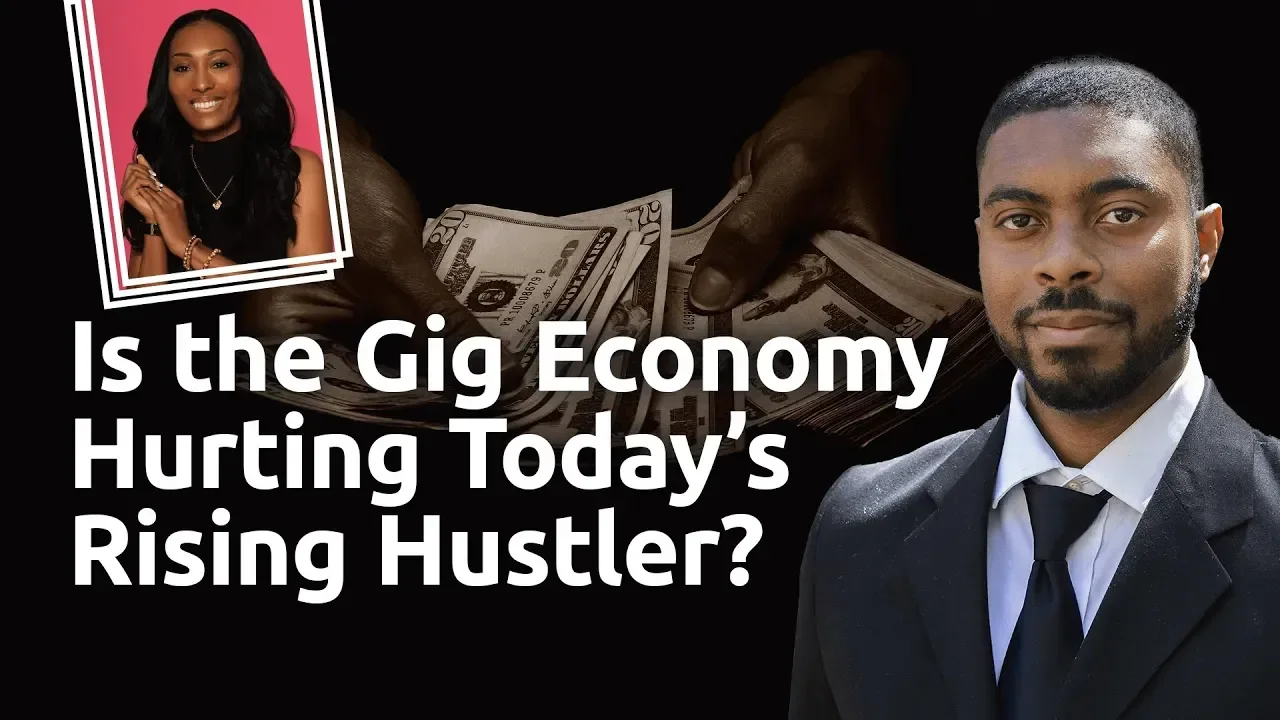
SHS026: The Best Way To Use The Gig Economy With Tayler Nicole
Intro
Side hustles are everywhere.
From Uber to DoorDash to freelancing… it seems like everyone is trying to make extra money.
But here’s the real question:
👉 Do side hustles actually help you get ahead… or keep you stuck?
In this episode of The Side Hustler’s Society, Elijah Bilel takes a different approach by exploring both sides of the conversation.
Instead of only promoting hustle culture, Elijah brings on a guest who represents the other side:
👉 Building a stable, skill-based career.
Intro to Taylor Nicole
Former life coach turned tech sales professional
Currently working in tech sales as a Business Development Representative (BDR)
Experienced with gig economy platforms like DoorDash and Lyft
Content creator sharing her journey transitioning into a stable, high-income career
Focused on leveraging skills to create long-term financial stability
👉 Check out Taylor Nicole’s YouTube channel: Click Here
Track Your APP Earnings As A Gig Worker efficiently!
Track your earnings and app expenses using The FREE App Lifestyle Pay Spreadsheet! Compatible with google spreadsheets! Click here to join out newsletter and get started!
Episode Overview
This episode breaks down:
The pros and cons of the gig economy
Why some people get stuck in side hustles
The difference between skills vs “quick money”
When side hustles make sense—and when they don’t
Career vs entrepreneurship: which path is better?
This is one of the most honest conversations about money, work, and long-term strategy.
Listen to the Episode
Check us out on Apple Podcasts or Spotify! While you’re there, hit subscribe so you don’t miss our latest episodes!
Side Hustler’s Society Resources
The Anatomy Of Financial Success Audiobook
Gig Economy Mastery Free Course
Quick Takeaways
Elijah Bilel emphasizes having a long-term plan—not just making quick money
Taylor Nicole explains why skills matter more than short-term income
The gig economy can be useful—but risky long-term
Stability and scalability are key to financial growth
Selling your time has limits—skills and systems scale
The Real Problem With Hustle Culture
This episode starts with a controversial idea:
👉 Hustle culture isn’t always helping people
While many promote:
“Go get money”
“Work harder”
“Stack multiple hustles”
Taylor Nicole brings up a key concern:
👉 You can get stuck in survival mode
Instead of building something long-term.
Gig Economy: Opportunity or Trap?
Taylor shares her experience with:
DoorDash
Lyft
Life coaching
And her conclusion is clear:
👉 The gig economy isn’t bad—but it has limits
The biggest issue?
👉 It’s not skill-based
Which means:
Income doesn’t scale
Opportunities are limited
You’re dependent on the platform
Elijah’s Perspective: The Strategy Behind Side Hustles
Elijah Bilel doesn’t disagree—but adds an important distinction:
👉 Side hustles only work if they have a plan attached
Elijah shares how he:
Used the gig economy as a stepping stone
Built content around his experience
Transitioned into YouTube income and investing
👉 The key difference: intention
Skills Pay the Bills
One of the strongest points in this episode:
👉 Skills create long-term leverage
Taylor Nicole explains:
Sales
Marketing
Problem-solving
Time management
These are the things that:
👉 Increase income over time
Unlike gig work, which stays relatively flat.
Why Taylor Chose a Career Path
After trying multiple hustles, Taylor made a decision:
👉 She wanted stability
She transitioned into:
Tech sales
Lead generation
Business development
Now, instead of chasing income daily:
👉 She has a clear career trajectory
The Hidden Risk of Side Hustles
A major insight from this episode:
👉 You don’t control the platform
Examples include:
Getting deactivated
Lack of available work
Changes in pay structure
Taylor highlights that:
👉 Your income can disappear overnight
Short-Term vs Long-Term Thinking
Elijah Bilel introduces a key concept:
👉 The law of diminishing returns
Short-term:
Quick money
Flexible income
Long-term:
Car wear and tear
No skill development
Limited growth
Why Time-Based Income Is Limited
Another key takeaway:
👉 You’re trading time for money
Taylor Nicole explains:
You only have so many hours
You can’t scale your time
Income has a ceiling
Which leads to:
👉 Burnout or stagnation
When Side Hustles Actually Make Sense
Both perspectives agree on one thing:
👉 Side hustles are useful—if used correctly
They work best when:
You need quick cash
You’re in transition
You’re funding a bigger goal
But not when:
❌ They become your long-term plan
The Best Strategy Moving Forward
The real takeaway from this episode:
👉 Combine short-term income with long-term skill building
For example:
Use gig work temporarily
Develop a skill on the side
Transition into something scalable
Key Lessons from the Episode
1. Hustle With a Plan
Don’t just work—build
2. Skills Create Leverage
They increase your earning potential
3. Avoid Survival Mode
Short-term money can trap you
4. Stability Has Value
A career can provide structure and growth
5. Think Long-Term
Every decision has future consequences
Who This Episode Is For
People working in the gig economy
Side hustlers looking for direction
Anyone debating career vs entrepreneurship
Beginners trying to make money
Key Topics Covered
Gig economy vs careers
Insights from Taylor Nicole
Strategies from Elijah Bilel
Skill development vs quick income
Long-term financial planning
Watch The Podcast On Youtube!

SHS025: How You Can Make Over $10,000 As A Turo Host With Yuly Torres From From Engineer Ur Fleet
Intro
There are a lot of ways to make money with a car.
Most people think about rideshare or delivery apps…
But there’s another option that can turn your car into a true asset.
In this episode of The Side Hustler’s Society, Elijah Bilel dives into the Turo business model—breaking down how renting out your car can generate income and even scale into a full business.
For Elijah, who already has experience monetizing vehicles through the gig economy and leveraging assets like Airbnb, this conversation opens the door to another powerful income stream.
Intro to Yuly Torres
Computer engineer with over 20 years of experience across technical and business roles
Former corporate professional who transitioned into entrepreneurship
Turo host actively building a multi-car rental business
Content creator teaching others how to succeed with Turo
Focused on helping people become more efficient and tech-savvy
👉 Check out Yuly Torres’ YouTube channel: Click Here
Episode Overview
This episode covers:
How the Turo platform works
How to start renting out your car
What requirements your vehicle needs
The risks most people don’t think about
How to scale into multiple vehicles
Yuly Torres shares her journey from renting out one unused car to expanding into a growing fleet.
Listen to the Episode
Check us out on Apple Podcasts or Spotify! While you’re there, hit subscribe so you don’t miss our latest episodes!
Side Hustler’s Society Resources
Side Hustle to Full-Time Strategy Session
The Personalized Side Hustle Starter Kit
The Anatomy Of Financial Success Paperback
Quick Takeaways
Elijah Bilel explores Turo as a scalable side hustle
Yuly Torres explains how to turn an unused car into income
You can start with a car you already own
Turo can scale into a multi-vehicle business
Insurance is one of the biggest risks to understand
Market research is critical before getting started
Turo can complement Airbnb and real estate strategies
What Is Turo?
Turo is a platform that allows you to:
👉 Rent out your car to other people
Instead of:
Driving passengers (Uber)
Delivering food (DoorDash)
You’re turning your car into:
👉 A rental asset
How Yuly Torres Got Started
Yuly Torres didn’t start with a full business.
She started with:
👉 A car sitting unused
While working from home, her car was:
Rarely used
Still costing money
So she asked:
👉 “Why not make it pay for itself?”
That decision led her to:
List her car on Turo
Generate income
Eventually reinvest into another vehicle
From One Car to Multiple Vehicles
After seeing early success, Yuly Torres:
Purchased a second vehicle specifically for Turo
Focused on higher-demand vehicle types (like SUVs)
Began planning expansion into multiple cars
Now:
👉 She’s building a fleet
Turo vs Real Estate (Key Insight)
One powerful comparison made in this episode:
Real estate = high barrier to entry
Turo = low barrier to entry
Yuly Torres explains:
You can start with a car you already own
Or buy a relatively low-cost vehicle
This makes it:
👉 More accessible than traditional investing
How Turo Can Complement Airbnb
Elijah Bilel brings up a powerful strategy:
👉 Pairing Turo with Airbnb
For example:
Guests staying 30+ days need transportation
You can offer a rental vehicle as an add-on
This creates an additional income stream
👉 Same customer, more revenue
💡 Ready to Get Started with Airbnb?
If you’re serious about starting your own Airbnb business, this is your next step:
👉 Click here to create your Airbnb account and get started
Whether you’re exploring rental arbitrage or planning to own properties, taking action is what separates people who learn from people who earn.
Turo Vehicle Requirements
Before listing a car, it must:
Be less than 12 years old
Have under 130,000 miles
Have a clean title (no salvage/rebuilt)
Important insight:
👉 If your car qualifies when listed, it can stay on—even after exceeding mileage limits
The #1 Mistake Most People Make
Yuly Torres highlights two critical mistakes:
1. Not Running the Numbers
You need to consider:
Demand in your area
Airport proximity
Delivery costs
Pricing vs expenses
If the numbers don’t work:
👉 The business won’t work
2. Ignoring Insurance Risks
This is HUGE.
Most people don’t realize:
👉 Many insurance companies do NOT allow Turo
If they find out:
They can drop your coverage
They may deny claims
Which could leave you:
❌ Paying out of pocket
❌ Without a car
❌ Still owing on the loan
Why Maintenance Matters
Yuly Torres emphasizes:
👉 This is still your asset
You must:
Keep tires in good condition
Maintain the vehicle regularly
Ensure safety for guests
Because:
👉 Negligence can lead to liability issues
Scaling the Business
Once you understand the system, you can:
Add more vehicles
Target high-demand cars
Build a fleet
Some hosts:
👉 Have 10–100+ cars
Key Lessons from the Episode
1. Start With What You Have
Your current car could be your first asset
2. Run the Numbers First
Profit is in the details
3. Understand the Risks
Insurance can make or break this
4. Think in Systems
One car → multiple cars
5. Stack Income Streams
Combine Turo with Airbnb or other assets
Who This Episode Is For
People with an unused car
Side hustlers looking for new income streams
Airbnb hosts
Entrepreneurs interested in asset-based businesses
Key Topics Covered
Turo business model
Insights from Yuly Torres
Strategies from Elijah Bilel
Scaling a car rental business
Risk management
Watch The Podcast On Youtube!

SHS024: How To Stand Out In A Crowded Digital Marketplace With Lauren Petrullo From Mongoose Media!
Intro
Building a business doesn’t always start with a perfect plan.
Sometimes, it starts with a simple decision:
👉 “I’m not going back to work for someone else.”
In this episode of The Side Hustler’s Society, Elijah Bilel connects with a marketing agency founder who turned that exact mindset into a thriving business.
From freelancing to building a global team, this episode breaks down what it really takes to grow in today’s digital marketing world.
Intro to Lauren Petrullo
Founder and CEO of a digital marketing agency specializing in online growth strategies
Built her company after deciding not to return to traditional employment
Works with clients in e-commerce, hospitality, and high-ticket service industries
Leads a global team delivering services like SEO, paid ads, and social media marketing
Known for her results-driven approach and deep expertise in platforms like Meta
👉 Learn more about Lauren Petrullo’s agency: Click Here
Episode Overview
This episode covers:
How Lauren built her marketing agency from scratch
The transition from freelancer to agency owner
Why online marketing is essential for any business
The power of networking and conferences
What platforms and strategies matter most today
Listen to the Episode
Check us out on Apple Podcasts or Spotify! While you’re there, hit subscribe so you don’t miss our latest episodes!
Side Hustler’s Society Resources
Side Hustle to Full-Time Strategy Session
The Personalized Side Hustle Starter Kit
The Anatomy Of Financial Success Paperback
Quick Takeaways
Elijah Bilel highlights the importance of skills in the digital economy
Lauren Petrullo explains how freelancing can evolve into a full business
Networking can unlock opportunities faster than content alone
Paid ads and marketing systems are key for scaling
Starting messy is better than not starting at all
The Real Reason Lauren Started Her Business
Lauren didn’t start with a grand vision.
👉 She simply didn’t want to apply for another job
That decision led to:
Freelance work
Bringing in collaborators
Eventually building a full agency
Elijah Bilel emphasizes how relatable this is for many side hustlers.
From Freelancer to Agency Owner
Lauren’s journey followed a natural progression:
Start freelancing
Bring in others for help
Build systems and structure
Transition into a full agency
She didn’t start with a team.
👉 She built one over time
Why Online Marketing Is Non-Negotiable
One of the biggest takeaways:
👉 No matter your skill, you need marketing
Lauren explains that:
SEO
Paid ads
Social media
Email marketing
…are essential for visibility in today’s market
The Power of Networking (VidSummit Lessons)
A major part of this episode focuses on:
👉 Networking vs learning
Both Lauren Petrullo and Elijah Bilel highlight that:
You can rewatch content
But you can’t recreate real-life connections
This is how opportunities like this very episode happen.
Level Up Your Creator Skills
If you’re serious about building your brand, growing your audience, and turning content into income, this is something you should look into.
👉 Join Awesome Creator Academy and learn how to build a real content-driven business.
This is a great next step if you want to apply what’s being discussed in this episode and actually execute at a higher level. Click here to get started!
Why Conferences Still Matter
Lauren attends multiple conferences every year.
Her biggest takeaway:
👉 The value is in the people, not just the presentations
She explains that:
Most conferences repeat similar content
But relationships create long-term opportunities
What Services Her Agency Actually Offers
Lauren breaks down her agency’s core services:
SEO (Search Engine Optimization)
PPC (Paid ads)
Social media marketing
Email and SMS marketing
Creative services
Many clients initially come for ads…
👉 But stay for full marketing systems
The “Advertising Hospital” Concept
Her agency operates like:
👉 A marketing repair system
Helping businesses with:
Fixing broken funnels
Improving conversions
Scaling successful campaigns
The Importance of Starting Small
One of the most valuable lessons:
👉 You don’t need a full business to start
Lauren started with:
Freelance clients
Simple services
No formal structure
Then built everything else later.
Key Lessons from the Episode
1. Start Before You’re Ready
Clarity comes from action
2. Freelancing Is a Gateway
It can evolve into a full business
3. Marketing Is Essential
No visibility = no income
4. Network Strategically
Opportunities come from people
5. Build Systems Over Time
Structure comes after momentum
Who This Episode Is For
Freelancers looking to scale
Service providers building a business
Content creators learning marketing
Anyone interested in starting an agency
Key Topics Covered
Marketing agency growth
Freelancing to business transition
Insights from Lauren Petrullo
Business strategies from Elijah Bilel
Online marketing fundamentals
Watch The Podcast On Youtube!

SHS023: What It Takes To Make $$$ As A Rapper With Teezy Tancsta!
Intro
Many people have talent—but not everyone knows how to turn that talent into income.
This is especially true in the music industry.
In this episode of The Side Hustler’s Society, Elijah Bilel explores what it really takes to make money as an independent artist.
From building exposure to reinvesting in your craft, this episode breaks down how talent becomes a business.
Subscribe Now And Get Chapter 5 Of The Best Selling Book, The Anatomy Of Financial Success!
Find out about the different types of income there are and which one(s) are best for you based on your personality! Click here to join out newsletter and get started!
Intro to Kendrick “Teezy Tancsta”
Independent rapper, songwriter, and performer with years of experience in the music industry
Started writing music at a young age and developed his craft over time
Performed in multiple states including Texas, Kentucky, and Tennessee
Known for lyricism, punchlines, and battle rap experience
Built his brand through independent releases, live shows, and networking
👉 Check out Kendrick “Teezy Tancsta’s” music: Click Here
Episode Overview
This episode breaks down:
How to monetize talent in the music industry
The difference between talent and skill
Independent vs label routes
How to build exposure as an artist
The importance of reinvesting in your career
Kendrick shares real insights from his journey, including how he built exposure through battle rap, performances, and consistent promotion.
Listen to the Episode
Check us out on Apple Podcasts or Spotify! While you’re there, hit subscribe so you don’t miss our latest episodes!
Side Hustler’s Society Resources
The Personalized Side Hustle Starter Kit
The Anatomy Of Financial Success Paperback
Quick Takeaways
Elijah Bilel emphasizes monetizing skills—not just relying on platforms
Kendrick “Teezy Tancsta” explains how exposure leads to opportunity
Talent alone is not enough—you need strategy
Independent artists must invest in themselves
Networking creates real opportunities
Branding and image matter in standing out
Business mindset is key in the music industry
Talent vs Skill: What Really Matters
A major theme in this episode:
👉 Talent gets you noticed
👉 Skill makes you money
Elijah Bilel highlights the importance of building skills that can be monetized.
Kendrick reinforces that:
Having talent is just the starting point
You must develop systems around it
How Kendrick Built Exposure
Kendrick “Teezy Tancsta” didn’t rely on just one method.
Instead, he:
Participated in battle rap competitions
Performed at live shows across multiple states
Distributed CDs early on to build awareness
Transitioned into using business cards and social media
👉 The goal: stay visible
Why Independent Artists Must Think Like Business Owners
One of the biggest lessons:
👉 Music is a business
Kendrick explains that artists must invest in:
Studio time
Video production
Marketing and promotion
Without this:
❌ Growth is limited
❌ Exposure is slow
The Reality of the Music Industry
Many people see:
Fame
Money
Lifestyle
But don’t see:
Costs
Risk
Competition
Kendrick breaks down that:
👉 If you’re not smart with money, you can go broke chasing the dream
Why Image & Branding Matter
An interesting part of the conversation focuses on:
👉 Standing out
Kendrick chose to:
Dress differently (suits instead of typical rapper attire)
Present himself in a unique way
Avoid following industry trends blindly
This helped him:
👉 Build a distinct identity
Reinvesting Into Your Career
A key takeaway:
👉 Don’t spend like you’ve made it—invest like you’re building
Instead of spending on:
Designer clothes
Jewelry
Kendrick focuses on:
Promotion
Music production
Business growth
Networking & Opportunity
Kendrick shares how opportunities came from:
Being in the right places
Building relationships
Staying active in the industry
From shows in Houston to networking in New York:
👉 Exposure creates opportunity
Key Lessons from the Episode
1. Talent Isn’t Enough
You need strategy and execution
2. Treat It Like a Business
Invest in growth, not just image
3. Stand Out
Differentiation is key
4. Stay Consistent
Exposure builds over time
5. Be Financially Smart
Reinvest instead of overspending
Who This Episode Is For
Aspiring rappers and musicians
Creators looking to monetize talent
Side hustlers with creative skills
Entrepreneurs in entertainment industries
Key Topics Covered
Music monetization strategies
Insights from Kendrick “Teezy Tancsta”
Business strategies from Elijah Bilel
Branding and exposure
Independent artist growth