
SHS022: The Secrets Behind How To Make A Book An Amazon Bestseller Revealed With Larissa Soehn!
Intro
Becoming a bestselling author is something many people dream about—but very few understand how it actually happens.
Is it luck? Timing? Or is there a real strategy behind it?
In this episode of The Side Hustler’s Society, Elijah Bilel sits down with a bestselling author and book coach to break down the real process behind writing, publishing, and marketing a successful book.
Elijah also shares his own experience as the author of The Anatomy of Financial Success, giving listeners a real-world look at what it takes to reach bestseller status.
Subscribe To Elijah's New Youtube Channel, Social Dynamics
Find out the different ways that Elijah teaches to grow your network, plan events with big turnouts and advance in your career by cultivating the right relationships. Click here to join out newsletter and get started!
Intro to Larissa Soehn
Bestselling author with books spanning science fiction and self-help
Founder of Next Page Well Coaching, helping clients write, edit, market, and publish books
Experienced ghostwriter and book coach working with aspiring authors
Turned her passion for writing into a full-time business
Helps entrepreneurs use books to build credibility and grow their brands
👉 Learn more about Larissa Soehn and her work Here.
Episode Overview
This episode breaks down:
How becoming a bestselling author is actually intentional
The two phases of writing a book: creation and marketing
Why most authors fail at marketing their first book
The difference between fiction and non-fiction marketing
How to position your book for long-term success
Larissa shares both her wins and mistakes, giving a real behind-the-scenes look at what works—and what doesn’t.
Listen to the Episode
Check us out on Apple Podcasts or Spotify! While you’re there, hit subscribe so you don’t miss our latest episodes!
Side Hustler’s Society Resources
Side Hustle to Full-Time Strategy Session
The Anatomy Of Financial Success Paperback
Quick Takeaways
Elijah Bilel explains that bestseller status is strategic—not luck
Larissa Soehn highlights the importance of marketing before launch
Writing and marketing are two completely different skill sets
Many authors fail because they ignore the marketing phase
Knowing your audience is critical to success
Fiction and non-fiction require different marketing approaches
Your first book can be a learning experience—but it should still be intentional
Books can be powerful tools for building credibility and business growth
The Truth About Becoming a Bestselling Author
One of the biggest myths this episode breaks:
👉 Becoming a bestseller is not random
Elijah Bilel explains that there are:
Marketing systems
Launch strategies
Specific actions
That can significantly increase your chances of hitting bestseller status.
The Two Phases of Writing a Book
1. Writing the Book
This includes:
Drafting
Editing
Structuring your message
Larissa Soehn had this part mastered early on.
2. Selling the Book
This is where most authors struggle.
Larissa admits that with her first book:
👉 She didn’t understand marketing
She didn’t:
Build an audience
Identify her ideal reader
Create a strong launch plan
As a result:
👉 The book didn’t reach its full potential
Why Most Authors Fail at Marketing
The biggest issue:
👉 Authors focus only on writing
But success comes from:
👉 Writing + marketing
Larissa Soehn emphasizes that:
You need an author platform
You must understand your audience
You need a marketing plan BEFORE launch
The Importance of Knowing Your Audience
A key lesson from this episode:
👉 You need to know who your book is for
Without that:
Your messaging is unclear
Your marketing is ineffective
Your sales suffer
With her second book, Larissa:
Identified her audience clearly
Positioned the book properly
Applied what she learned
And saw significantly better results.
Fiction vs Non-Fiction Marketing
One of the most interesting parts of the conversation:
👉 Marketing strategies differ based on book type
Non-Fiction
Focus on results
Highlight benefits
Show what the reader will learn
Fiction
Focus on emotion
Focus on storytelling
Focus on entertainment
The Power of Writing for Personal Growth
Larissa Soehn also shares how writing:
Helped her process emotions
Overcome personal challenges
Grow as a person
Her fiction work was deeply rooted in real-life experiences—even when set in fictional worlds.
Why Books Build Authority
For both guests, one thing is clear:
👉 A book builds credibility
Elijah Bilel uses his book to:
Establish authority
Open new opportunities
Expand his brand
And Larissa helps others do the same.
Watch The Podcast On Youtube!

SHS021: How To Make 6 Figures With A Notary Business In 2026 With Mark Sias!
Intro
Starting a side hustle doesn’t always mean driving for apps or learning a complex skill.
Some of the most overlooked opportunities are also the most profitable.
In this episode of The Side Hustler’s Society, Elijah Bilel explores one of the most underrated business models:
👉 The notary business
For many people, it’s something they’ve used—but never considered as a way to make money.
Intro to Mark Sias
Entrepreneur and founder of a successful notary and legal services business
Former critical care nurse with 15+ years of experience
Built Noble Notary & Legal Document Preparers after leaving healthcare
Co-author of A Golden Pen, a book on building a low-overhead service business
Creator of the Notary Prosperity Academy, helping others start and scale notary businesses
Built a business model focused on low startup cost, low inventory, and high demand services
👉 Checkout Mark’s Notary Prosperity Academy here
Episode Overview
This episode breaks down:
What a notary business actually is
How to start with very little money
Why this side hustle is often overlooked
How Mark Sias turned it into a full-time income
Ways to scale beyond just notarizing documents
Listen to the Episode
Check us out on Apple Podcasts or Spotify! While you’re there, hit subscribe so you don’t miss our latest episodes!
Side Hustler’s Society Resources
Side Hustle to Full-Time Strategy Session
Financial Personality Success Bundle
The Anatomy Of Financial Success Paperback
Quick Takeaways
Elijah Bilel explores a high-demand, low-competition side hustle
Mark Sias shares how he replaced his income after leaving nursing
Notary businesses can be started with minimal upfront cost
Many people underestimate how profitable this business can be
The business can be mobile and flexible
Multiple income streams can be added on top of notary work
What Is a Notary Business?
At its core, a notary business is simple:
👉 You verify identities and witness signatures
Mark Sias explains that a notary:
Confirms someone’s identity
Watches them sign documents
Applies an official stamp
That’s it.
No heavy labor. No complicated systems.
Why This Side Hustle Is Overlooked
Elijah Bilel points out something important:
Most people think of side hustles like:
Rideshare
Food delivery
Freelancing
But very few think about:
👉 Notary services
Even though:
People constantly need it
It’s required for major life events (cars, homes, legal docs)
Demand is consistent
How Mark Sias Got Started
Mark Sias didn’t start as an entrepreneur.
He was working in critical care nursing—one of the most stressful medical fields
Looking for something different, he asked:
👉 “What can I do that pays well and doesn’t require long hours?”
That’s when he discovered notary services.
Low Startup Cost (Big Opportunity)
One of the biggest advantages:
👉 It’s cheap to start
Mark Sias explains:
Around ~$100 to get commissioned (varies by state)
Basic supplies cost very little
Can be run from home
You don’t need:
Inventory
Employees
Expensive equipment
Mobile = More Money
One key insight:
👉 You don’t need an office
Instead, you can:
Travel to clients
Offer convenience
Charge more
This turns the business into:
👉 A mobile service business
How Fast It Can Scale
Mark Sias shares that within months:
He replaced his income
Built a full-time business
Had more demand than he could handle
Eventually:
👉 He brought his wife into the business to keep up
Multiple Income Streams Within One Business
This is where things get interesting.
Mark Sias didn’t stop at notarizing documents.
He added services like:
Loan signings
Apostille services
Legal document prep
Tax-related services
👉 Same audience, more ways to make money
The Business Model Explained
Mark Sias’s approach is simple:
Low overhead
Low inventory
High demand
High markup
This makes it:
👉 A scalable service business
Why Demand Is Built-In
One of the biggest advantages:
👉 You don’t always have to “sell”
People already need:
Documents notarized
Legal paperwork processed
Your job is simply:
👉 Be available when they need it
How to Get Your First Clients
Mark Sias started by:
Setting up a Google listing
Offering mobile services
Making himself easy to find
From there:
👉 The business started growing organically
The Real Opportunity
This isn’t just a side hustle.
It can become:
Full-time income
A scalable service business
A multi-income stream operation
Key Lessons from the Episode
1. Opportunity Is Often Overlooked
Not all profitable businesses are trendy
2. Low Cost = Low Risk
You don’t need a lot of money to start
3. Convenience Sells
Mobile services increase earning potential
4. Stack Services
Add related services to grow income
5. Demand Already Exists
People already need what you offer
Who This Episode Is For
Beginners looking for a side hustle
People who want low startup costs
Anyone interested in service-based businesses
Entrepreneurs looking for scalable models
Key Topics Covered
Notary business fundamentals
Startup costs and setup
Scaling strategies
Business expansion
Watch The Podcast On Youtube!
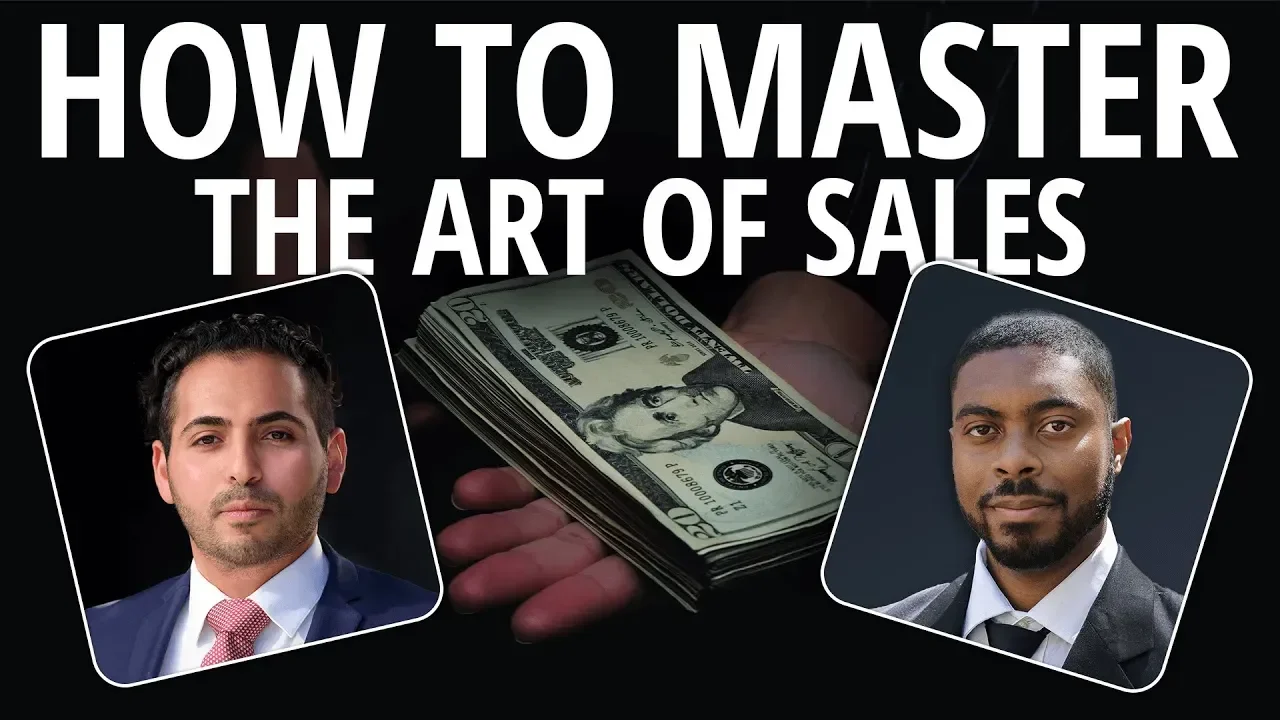
SHS020: How A Hustler Handles Sales With Jon Loyhayem From ALEVO Financial & Insurance Agency!
Intro
Sales is one of the most important skills anyone can develop—especially for freelancers, entrepreneurs, and side hustlers.
In today’s world, it’s easier than ever to make money without learning how to sell. But that convenience comes with a hidden risk.
In this episode of The Side Hustler’s Society, Elijah Bilel breaks down why sales skills are essential for long-term income, stability, and growth.
From freelancing to entrepreneurship, this episode explains why:
👉 Sales = income
Subscribe To Elijah's New Youtube Channel, Social Dynamics
Find out the different ways that Elijah teaches to grow your network, plan events with big turnouts and advance in your career by cultivating the right relationships. Click here to join out newsletter and get started!
Intro to Jonathan Loyhayem
Entrepreneur with over a decade of experience in sales and financial services
Started his career at 19 in the financial services industry
Became a manager by 21 and a senior manager by his mid-20s
Helped expand operations by opening offices across multiple states
Founder of his own financial services and insurance firm after leaving his previous company
Experienced in building, training, and leading sales teams for over a decade
👉 LinkedIn: https://www.linkedin.com/in/jonathan-loyhayem-65467010/
Episode Overview
This episode covers:
Why sales is the foundation of all income
The hidden risk of relying on gig economy apps
How sales skills transfer across industries
What separates successful salespeople from everyone else
Jonathan shares real-world experience from building and leading sales teams, while Elijah connects these lessons back to freelancing and entrepreneurship.
Listen to the Episode
Check us out on Apple Podcasts or Spotify! While you’re there, hit subscribe so you don’t miss our latest episodes!
Side Hustler’s Society Resources
Side Hustle to Full-Time Strategy Session
Financial Personality Success Bundle
Quick Takeaways
Elijah Bilel explains why sales skills protect your income
Jonathan Loyhayem shares how he built a career in sales
Gig economy apps can create income—but not security
Sales is required in every business and everyday life
The best salespeople never stop improving
Not giving up is a key factor in success
Sales skills can transfer across industries
Relationships play a major role in long-term success
Why Sales Skills Matter More Than Ever
Elijah Bilel points out a major issue:
👉 Many people are making money without learning how to sell
Apps like rideshare, delivery, and freelance platforms allow people to:
Earn income quickly
Avoid learning sales
But there’s a downside:
❌ If the platform removes you, your income disappears
❌ You don’t own your customer relationships
❌ You haven’t built a transferable skill
The Freelancer Reality
Elijah shares his own experience as a video editor and freelancer.
Instead of relying on platforms like Fiverr or Upwork, Elijah:
Built relationships directly
Networked in person
Found clients through business groups and referrals
This allowed Elijah to:
👉 Keep full control over client relationships
👉 Avoid platform restrictions and fees
👉 Build a sustainable business
Sales Is Everywhere (Even If You Don’t Realize It)
Jonathan explains that sales isn’t just about business—it’s part of everyday life.
Examples include:
Convincing someone to marry you
Negotiating decisions in relationships
Influencing people in daily conversations
👉 You are either selling—or being sold
Jonathan’s Journey Into Sales
Jonathan Loyhayem started in sales at just 19 years old
What followed:
Rapid growth into leadership roles
Managing and training sales teams
Expanding company operations across multiple states
Eventually launching his own firm
His journey highlights one key point:
👉 Sales is a skill that compounds over time
The Two Most Important Sales Skills
According to Jonathan, success in sales comes down to two things:
1. Not Giving Up
Most people fail because they quit too early.
Sales requires:
Persistence
Repetition
Handling rejection
2. Continuous Self-Improvement
Top performers are always improving:
Studying sales techniques
Learning communication skills
Practicing consistently
Jonathan emphasizes that:
👉 Skill development is what separates average from elite
Why Most People Struggle With Sales
The biggest issue:
👉 People don’t spend enough time developing their skills
They may:
Have talent
Have opportunity
But without skill development:
❌ They struggle to close deals
❌ They leave money on the table
Sales Skills Transfer Across Industries
One major insight:
Selling insurance ≠ selling real estate
Selling cars ≠ selling services
But:
👉 The core fundamentals of sales apply everywhere
Once mastered, these skills can:
Be applied across industries
Increase earning potential
Open new opportunities
The Importance of Leaving on Good Terms
Another powerful lesson from this episode:
👉 Relationships matter
Jonathan explains that leaving a company the right way:
Protects your reputation
Keeps doors open
Maintains long-term opportunities
Elijah Bilel reinforces that success is often tied to:
👉 The quality of your relationships
Key Lessons from the Episode
1. Sales = Income
If you can’t sell, you can’t earn consistently.
2. Platforms Are Temporary—Skills Are Permanent
Own your skills, not just your platform.
3. Don’t Quit Too Early
Persistence is a major differentiator.
4. Always Improve Your Skills
Growth leads to results.
5. Relationships Matter
Your network impacts your long-term success.
Who This Episode Is For
Freelancers and service providers
Entrepreneurs and business owners
Side hustlers looking to go full-time
Anyone who wants to increase their income
Key Topics Covered
Sales strategies from Jonathan Loyhayem
Business insights from Elijah Bilel
Freelancing vs platform dependency
Building long-term income
Watch The Podcast On Youtube!

How To Invest For Retirement As A Freelancer Or One Person Business
Let me ask you a question: does this sound familiar?
You’ve quit your job—or maybe you’re working toward that goal—and now you’re officially in the world of self-employment. You’re putting in the work, things are starting to pick up, but there’s this quiet voice that won’t go away. At first, you could barely hear it, but now it’s crystal clear:
“What am I going to do for retirement?”
This is a real question many self-employed people start asking themselves once they realize there’s no company-sponsored 401(k) waiting for them. And while employees have at least some system in place (even if it's flawed), we freelancers have to build our own. Not in the mood to read this? Watch our video below instead!
Why Freelancers Avoid Thinking About Retirement
Let’s keep it real: when you’re running a one-person business, life is hectic. You’re managing clients, income goes up and down, and you’re focused on keeping the lights on today—not 30 years from now.
Retirement planning doesn’t feel urgent. It feels like something you’ll deal with “someday.” But here's the truth: if you don’t start thinking about it now, you may end up working well into your 70s—not by choice, but because you didn’t prepare.
And nobody wants that.
So if you’re a freelancer or a self-employed person and this is hitting home, here are three steps you can take today to start investing for your future.
Step 1: Learn About Retirement Accounts for Self-Employed People
Before you can start investing, you need to know where your money should go.
As someone who’s self-employed, you actually have access to several retirement account options built specifically for you. These include:
SEP IRA
Solo 401(k)
Traditional IRA
Roth IRA
Each of these accounts has its own rules, limits, and tax advantages. The key is to understand what each one is, how it works, and which one fits best with your business and income situation.
If you don’t know the difference between them yet, that’s your homework. Start learning about these accounts now so you’re not flying blind later. For a detail break down on the pros and cons of each retirement account in regards to freelancers or those who are self employed, check out our free " Steal My Financial Blueprint PDF written by Elijah here.
Step 2: Set a Frequency for Contributions
Once you’ve picked a retirement account, the next step is deciding how often you’ll contribute to it.
Unlike an employee, where contributions are usually automated through payroll, you’ve got to create your own system. That means asking yourself:
Will I contribute monthly?
Every time I get paid?
Once a quarter?
There’s no one-size-fits-all answer here. It depends on how consistent your income is. But whether it’s $50 a month or a percentage of each client payment, having a set rhythm makes sure you’re investing consistently, not just when you feel like it.
Consistency is key. We broke down the best system for people who are a one person business to use in a previous article on investing. You can find that article by clicking here
Step 3: Don’t Forget About the Roth IRA
Even if you go with a SEP IRA or Solo 401(k), don’t sleep on the Roth IRA.
A Roth IRA is funded with after-tax money, and when you retire, you get to withdraw that money tax-free. That’s a big deal, especially if you expect to be in a higher tax bracket later in life.
Many people don’t even think about using a Roth IRA when they’re self-employed because they’re focused on other options. But it can be a solid piece of your retirement plan—especially when you’re first starting out and your income is still growing.
Final Thoughts
Planning for retirement as a freelancer isn’t optional—it’s essential. Even though there’s no employer setting things up for you, that doesn’t mean you’re out of luck. You just have to take a more active role.
Let’s recap:
Learn about self-employed retirement accounts (SEP IRA, Solo 401(k), Traditional IRA, Roth IRA)
Set a consistent contribution schedule
Don’t forget about the Roth IRA—it has unique long-term benefits
You don’t have to know everything today. Just take that first step. Get educated, set a rhythm, and start building your future.
You’ve already taken control of your career—now take control of your retirement too.
If you would like to know more about thriving as a one person business owner, consider joining The Self Made Business Academy where we support people making the transition from side hustle to a full time one person business. Click here to learn more!

SHS019: How To Maximize Customer Retention In A Business With Irina Poddubnaia From Trackmage
Intro
Customer retention is one of the most overlooked aspects of building a successful business.
While many entrepreneurs focus heavily on acquiring new customers, fewer understand how much more valuable it is to keep the customers they already have.
In this episode of The Side Hustler’s Society, Elijah Bilel dives into the importance of customer retention, lifetime value, and building systems that maximize revenue from existing customers.
This conversation highlights why long-term growth isn’t just about getting more customers—but getting more value from each one.
Subscribe To Elijah's New Youtube Channel, Social Dynamics
Find out the different ways that Elijah teaches to grow your network, plan events with big turnouts and advance in your career by cultivating the right relationships. Click here to join out newsletter and get started!
Intro to Irina Poddubnaia
SaaS founder and business consultant specializing in operations and process optimization
Over 8 years of experience in e-commerce across multiple business models
Ran a fulfillment center in China for over two years
Founder of TrackMage, a software platform designed to improve post-purchase customer experience
Helps e-commerce businesses increase sales through automation, upsells, and customer follow-ups
👉 LinkedIn: https://www.linkedin.com/in/irina-poddubnaia/
Episode Overview
This episode explores:
What customer retention actually means
Why lifetime value (LTV) is critical for business growth
How automation and systems improve retention
The difference between short-term sales vs long-term strategy
Irina shares real-world experience from both running operations and building SaaS tools designed specifically to increase customer retention.
Listen to the Episode
Check us out on Apple Podcasts or Spotify! While you’re there, hit subscribe so you don’t miss our latest episodes!
Side Hustler’s Society Resources
Side Hustle to Full-Time Strategy Session
Financial Personality Success Bundle
Get The Side Hustler's Society Merch!
Quick Takeaways
Elijah Bilel breaks down customer retention strategies
Irina Poddubnaia explains how LTV drives long-term growth
Retaining customers is often more profitable than acquiring new ones
Automation can increase revenue without increasing workload
Post-purchase experience is a major opportunity for upsells
Surveys don’t always reflect real buying behavior
Testing demand with real purchase intent is more effective
Building an audience first makes selling easier
Systems and processes are key to scaling
What Is Customer Lifetime Value (LTV)?
Customer Lifetime Value (LTV) represents:
👉 The total amount a customer is expected to spend with your business over time
Elijah Bilel explains that many businesses fail to maximize this by:
Only selling once
Not offering additional products or services
Ignoring existing customers
Why Customer Retention Matters
Irina Poddubnaia highlights that:
A returning customer is significantly more likely to buy again
Repeat purchases increase profitability without additional acquisition costs
Retention is the foundation of long-term business growth
The Problem Most Businesses Have
Many entrepreneurs:
Focus only on getting new customers
Ignore existing customers
Leave money on the table
This creates:
❌ Lower revenue per customer
❌ Higher marketing costs
❌ Slower business growth
The Power of Post-Purchase Experience
Irina built her software, TrackMage, around one key idea:
👉 What happens after the sale matters just as much as the sale itself
Her system helps businesses:
Track orders
Send follow-ups
Request reviews
Upsell additional products
All automatically
Why Automation Changes Everything
Before SaaS tools:
Businesses relied on spreadsheets
Communication was manual
Processes were inefficient
Now:
Systems handle follow-ups
Upsells happen automatically
Customer experience improves
This allows business owners to focus on growth instead of operations.
Customer Retention vs Customer Acquisition
A major takeaway from this episode:
👉 It’s easier to sell to an existing customer than a new one
Irina explains that:
First-time buyers are harder to convert
Repeat customers already trust you
Each additional purchase increases overall LTV
Do Surveys Actually Work?
Irina challenges a common strategy:
👉 Surveys don’t always reflect real buying behavior
People may say:
“Yes, I’d buy this product”
But:
👉 That doesn’t mean they actually will
A Better Way to Test Demand
Instead of surveys, Irina suggests:
Create a sales page
Let people attempt to purchase
Measure real intent
If people try to buy:
👉 You have demand
This method is far more accurate than opinions alone.
Build the Audience First
One of the most important insights:
👉 Start with the audience, not the product
Elijah Bilel reinforces that:
Audience = built-in customers
You can gather feedback directly
You reduce the risk of failure
Real-World Business Insight
Irina Poddubnaia’s experience includes:
Running fulfillment operations in China
Building internal systems from scratch
Turning those systems into SaaS products
This gives her a unique perspective on:
👉 Both operations AND scalability
Key Lessons from the Episode
1. Retention > Acquisition (Long-Term)
Focus on maximizing value from each customer.
2. Automate What You Can
Systems allow you to scale without burning out.
3. Test Demand with Real Behavior
Don’t rely on opinions—track actions.
4. Build an Audience First
Selling becomes easier when trust already exists.
Who This Episode Is For
E-commerce business owners
SaaS founders
Side hustlers building online businesses
Entrepreneurs looking to increase revenue without more traffic
Key Topics Covered
Customer retention strategies
Insights from Irina Poddubnaia
Business strategies from Elijah Bilel
Lifetime value (LTV)
Automation and scaling
Watch The Podcast On Youtube!

How A One Person Business Owner Can Start Investing To Build Wealth
You’ve Left the 9-to-5 — What’s Next?
If you’ve clicked on this article, chances are you’ve either already left the traditional 9-to-5 life or you’re planning to. You’ve stepped into the world of being self-employed—a one-person business.
You’ve probably invested a lot of time and money into yourself to learn a trade, build a skillset, or launch your freelance service. And that investment is starting to pay off. You’re making more money. Business is moving.
But then you take a step back… and realize you haven’t been building your asset column. This is Elijah Bilel from The Side Hustler's Society and lets deep dive into it.
Not in the mood to read? Check out the video version of this below!
The Missing Piece: Building Assets That Work for You
You’ve invested in yourself—and that’s a great first step. But now it’s time to think about investing in something else: assets that generate income on their own.
These are investments that allow your money to work for you, so you’re not always trading time for dollars.
Unfortunately, many freelancers and self-employed people delay this. They keep pouring money back into their business or personal development, which is important—but never shift into true wealth-building.
Let’s fix that.
Step 1: Open a Brokerage Account
The first step to start investing is simple: open a brokerage account.
Without it, you can’t buy stocks, ETFs, or any other investment assets. This is your gateway to building that asset column.
There are plenty of platforms available today—some are beginner-friendly with mobile apps and automation tools built-in. You don’t need to overcomplicate it. The important thing is just to open the account so you have the ability to invest when you're ready. I use and recommend M1 Finance because of their ability to reinvest dividends into my entire portfolio automatically instead of just the paying stock. If you want to check out M1 Finance, click here.
Step 2: Speak With a Financial Advisor or Watch My Video
Once you’ve got a brokerage account open, your next move is to get educated. For some people, that means sitting down with a financial advisor who can walk you through what investing looks like.
For others—especially those just getting started—you can begin by watching my video on investing, which I’ve linked below.
It breaks down how investing works in simple terms and gives you the context you need to make smart decisions with your money.
Either way, the key is to build understanding before blindly jumping in.
Step 3: Use Weekly Percentage Investing
This is a game-changer—especially if your income fluctuates as a freelancer.
Instead of investing a flat amount every time (which may not always be realistic), use a weekly percentage-based system. Here’s how it works:
Pick a percentage of your income—say 5% or 10%
Every week, calculate your total earnings
Invest that percentage consistently, no matter what
This method removes the stress of trying to “time” the market or over-commit financially. It allows you to build the habit of investing consistently, even if your income isn’t exactly the same every week.
Recap: The 3-Step Investing Blueprint for Freelancers or The One Person Business Owner
Here’s a quick summary of how to start investing as a freelancer or one-person business:
Open a brokerage account – This gives you the ability to invest in assets like stocks and ETFs.
Speak to a financial advisor or watch my investing video – Get clear on what you're doing and why.
Use weekly percentage investing – Invest a set percentage of your income every week to stay consistent.
Final Thoughts
If you're serious about building wealth outside of your business, these three steps will help you get started without overwhelm. I also cover additional information about the different types of accounts that can be used for investing in my PDF Steal My Financial Blueprint. You can download this document for free here.
You’ve already taken control of your career—now it’s time to take control of your finances.
If you would like to know more about thriving as a one person business owner, consider joining The Self Made Business Academy where we support people making the transition from side hustle to a full time one person business. Click here to learn more!
SHS061: How To Have Big Turnouts For Events | Event Marketing Strategies 2026
SHS060: Should Debt Be Used To Expand A Business Or Not With Oz Konar
Bonus: Should You Invest In Bitcoin In 2026 With Myles Dhillon! (SHS059)