SHS013: Is The Gig Economy A Drug? (Uber Drivers, Uber Eats Drivers, Doordash Drivers)
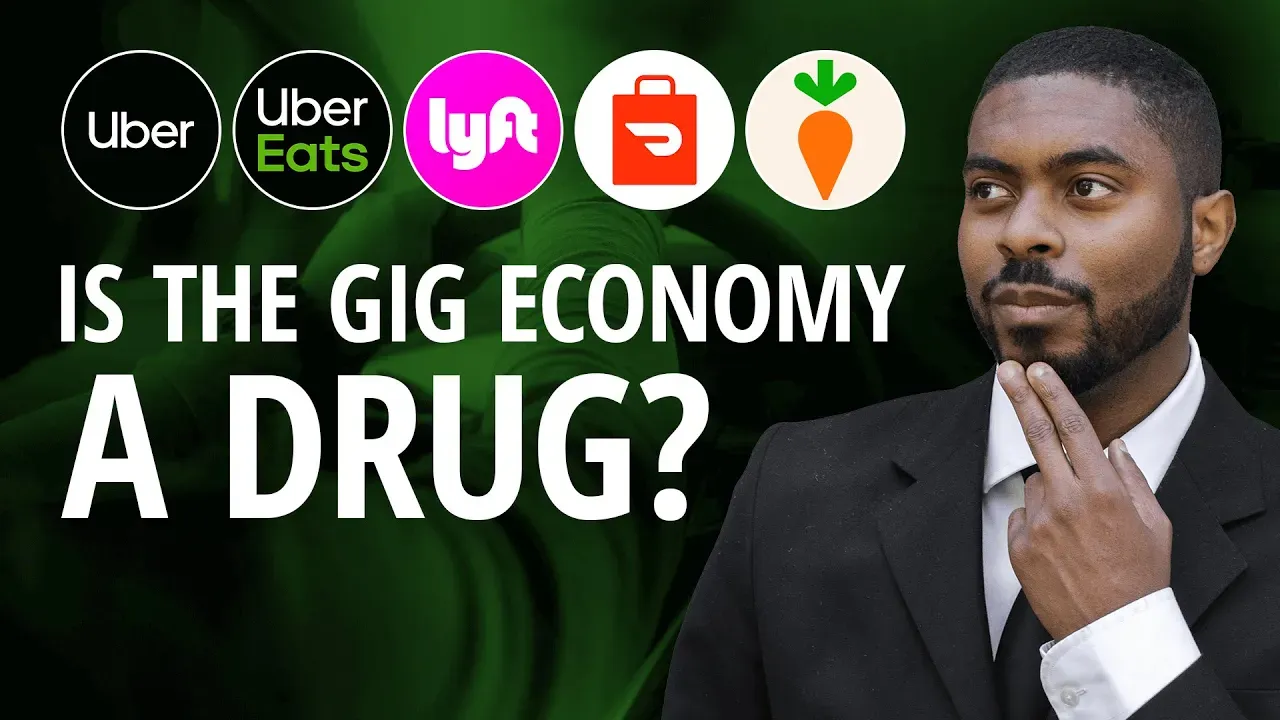
Intro
The gig economy has helped millions of people make money quickly—but what if it’s also keeping people stuck?
In this solo episode of The Side Hustler’s Society, Elijah Bilel breaks down a controversial idea:
👉 Is the gig economy actually addictive?
Drawing from years of firsthand experience, Elijah shares how gig work can be both an opportunity and a trap—and how to use it the right way.
Track Your APP Earnings As A Gig Worker efficiently!
Track your earnings and app expenses using The FREE App Lifestyle Pay Spreadsheet! Compatible with google spreadsheets! Click here to join out newsletter and get started!
Episode Overview
Elijah opens the episode by explaining how the definition of the gig economy has evolved over time.
What used to mean freelancing—like photography, plumbing, or design—has now become associated with app-based work like Uber, DoorDash, and Instacart.
While these platforms make it easier than ever to earn money, Elijah argues that they also introduce a hidden risk:
👉 The way you make money can become a habit—and even an addiction
He references a concept inspired by Rich Dad Poor Dad—that earning income in a certain way can create a cycle that’s hard to break.
You work → you get paid → you feel in control → you repeat.
Over time, that loop can make it difficult to transition into better opportunities—even when they’re available.
Listen to the Episode
Check us out on Apple Podcasts or Spotify! While you’re there, hit subscribe so you don’t miss our latest episodes!
Side Hustler’s Society Resources
The Anatomy Of Financial Success Audiobook
Gig Economy Mastery Free Course
Quick Takeaways
- Elijah explains how the gig economy evolved from freelancing into app-based work
- Making money in one way can become addictive over time
- Elijah Bilel shares that gig work should be temporary—not permanent
- The flexibility of gig work is its biggest advantage
- Many gig workers fail because they don’t have a long-term plan
- You need to transition from earning money to building income systems
- Gig work can fund your next move—but shouldn’t be the final destination
- Learning new skills is essential for long-term growth
- Control over your schedule is a powerful but underused advantage
- Most people stay in the “in-between stage” longer than they should
Elijah’s Personal Experience in the Gig Economy
Unlike many people who talk about the gig economy from the outside, Elijah speaks from real experience.
- Over 4,000 food deliveries completed
- Around 500 rideshare trips
- Worked in the gig economy both part-time and full-time
This gives Elijah Bilel a unique perspective on how the system actually works—not just in theory, but in practice.
He explains that while gig work can be effective short-term, it’s not designed for long-term stability.
The Real Problem: No Exit Strategy
One of the biggest issues Elijah highlights:
👉 Most gig workers don’t have a next step
People enter the gig economy during:
- Financial stress
- Career transitions
- Unexpected life changes
But instead of using it as a temporary solution, many stay stuck in it for years.
Elijah emphasizes that the gig economy should be:
👉 A bridge—not a destination
How Elijah Used the Gig Economy the Right Way
Elijah didn’t just work in the gig economy—he used it strategically.
He created a clear plan:
- Use gig work to generate income and free time
- Start a YouTube channel focused on gig economy content
- Monetize through referrals and ads
- Transition into personal finance content (Financial Anatomy)
- Use that income to move into Airbnb and real estate
That plan turned into:
- A successful YouTube brand
- Freelance income (video editing & digital services)
- Airbnb income streams
- Multiple income sources totaling over $8,000/month
This is a perfect example of using the gig economy as a launchpad, not a lifestyle.
Key Lessons from the Episode
1. The Gig Economy Is a Tool—Not the Goal
The biggest mindset shift:
👉 Don’t build your life around gig work
Use it to:
- Create cash flow
- Buy time
- Fund your next move
2. Flexibility Is the Real Advantage
The true value of gig work isn’t just money—it’s control.
You control:
- Your schedule
- Your hours
- Your time
And that time should be used to:
👉 Learn skills that can increase your income
3. Income Habits Can Hold You Back
One of the most powerful ideas from Elijah:
👉 You can get addicted to how you make money
This makes it harder to:
- Learn new skills
- Try new opportunities
- Step into something bigger
4. You Need a Plan From Point A to Point B
Elijah Bilel stresses the importance of having a roadmap.
Without a plan:
- You stay stuck
- You repeat the same cycle
- You delay your growth
With a plan:
- Every hour worked has a purpose
- Every dollar earned has a direction
5 Tips to Transition Out of the Gig Economy
Elijah closes the episode with actionable steps:
1. Gradually Reduce Your Hours
If you’re working 60 hours:
👉 Drop it by 5 hours each month
This creates space to build something new.
2. Learn While You Work
Use your time in the car wisely:
- Podcasts
- Audiobooks
- Educational content
Turn driving time into learning time.
3. Focus on Skill Development
Pick a direction:
- Freelancing
- Trade skills
- Content creation
- Business
And start building expertise.
4. Create a Long-Term Plan
Ask yourself:
👉 What is this leading to?
If you don’t have an answer, that’s the problem.
5. Build Stable Income Streams
Elijah breaks income into two types:
- Steady income (predictable, stable)
- Unsteady income (high highs, low lows)
Focus on building steady income first:
- Freelancing
- YouTube ad revenue
- Airbnb
Who This Episode Is For
- Gig workers feeling stuck
- People doing Uber, DoorDash, or Instacart full-time
- Anyone looking to transition into entrepreneurship
- Side hustlers who want to build long-term income
Key Topics Covered
- How Elijah Bilel views the gig economy
- The hidden downside of gig work
- Building a transition plan
- Creating multiple income streams
- Escaping the “income loop”
Watch The Podcast On Youtube!
If you would like to know more about thriving as a one person business owner, consider getting our free gig mastery course where you can learn the ins and outs of how to make the most money out of the gig economy apps (Uber, Ubereats, Doordash, Instacart, etc) Click here to learn more!
